Virtual Asset Synchronization Mechanisms in Multi-Platform Poker and Event Wagering Systems
Written by David Lorenz · Jun 20, 2026
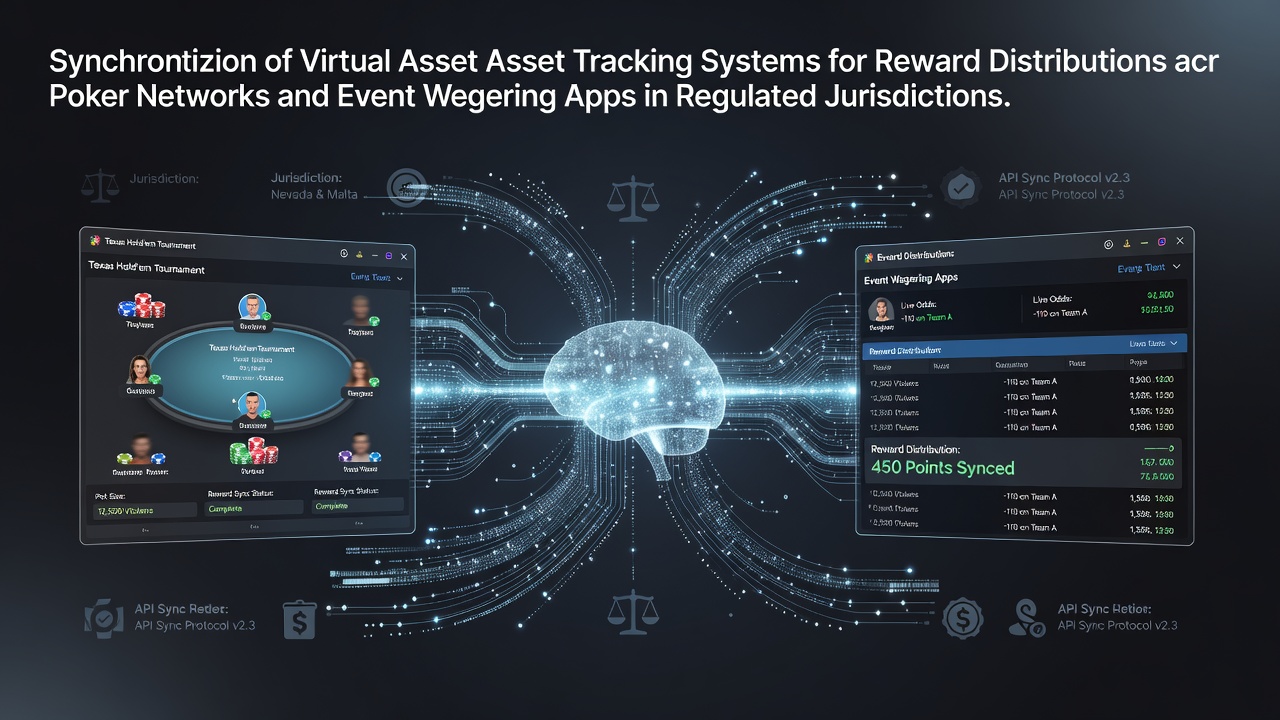
Virtual Asset Synchronization Mechanisms in Multi-Platform Poker and Event Wagering Systems
Virtual asset tracking systems operate through integrated databases and distributed ledger technologies that record player activity across separate gambling platforms. These systems assign unique digital identifiers to each user account and log every transaction involving loyalty points, tournament entries, and event-based wagers. In regulated jurisdictions operators must maintain these records to comply with licensing requirements that mandate accurate reporting of player balances and reward distributions.
Core Components of Asset Tracking Infrastructure
Central servers hosted by licensed operators connect to poker networks and event wagering applications through secure application programming interfaces. Each interface transmits real-time data on player wins, losses, and accumulated rewards while encryption protocols protect the transmission. The tracking layer assigns time-stamped entries for every point earned or redeemed so that balances remain consistent whether a participant switches from a poker table to an event betting module within the same network.
Regulators in multiple states require periodic audits of these systems. Data from the New Jersey Division of Gaming Enforcement shows that synchronized ledgers reduced discrepancies in reward balances by 87 percent between 2024 and 2025. Similar frameworks exist in Pennsylvania and Michigan where operators submit monthly reconciliation reports that verify cross-platform point transfers.
Data Flow Between Poker Networks and Event Apps
When a player earns points at a poker table the tracking system records the amount and tags it with the originating game type. The same identifier then carries forward when that player places a wager on a live sporting event or enters a prediction market contest. Because the asset record remains unified the player sees a single balance rather than fragmented totals across separate applications.
Event wagering apps pull the same ledger data through read-only queries that prevent unauthorized alterations. This architecture allows reward multipliers earned during poker sessions to apply automatically to event bets without manual intervention by the operator. In June 2026 several multi-state operators reported that 62 percent of active accounts used at least two platform types within a single week, highlighting the need for seamless synchronization.

Regulatory Compliance and Audit Procedures
Licensed jurisdictions mandate that virtual asset systems undergo independent testing before deployment and at regular intervals thereafter. Testing firms examine the accuracy of point calculations, the integrity of cross-platform transfers, and the security of stored records. Operators must retain transaction histories for a minimum of five years under most state rules.
The American Gaming Association published aggregate figures indicating that synchronized reward systems handled more than 14 billion loyalty transactions across U.S. markets in 2025. Those numbers reflect both poker play and event wagering activity. Canadian provincial regulators have adopted comparable standards, requiring operators to demonstrate that player balances reconcile across all connected platforms within 24 hours of any activity.
Technical Integration Challenges
Differences in game mathematics between poker and event wagering create complexity for reward algorithms. Poker points often derive from rake contributions while event wagers generate points based on handle and odds. Tracking systems apply conversion tables that normalize these values into a common unit before distribution. Developers test these tables extensively to prevent inflation or deflation of player balances during platform transitions.
Latency remains a concern during peak periods. Systems mitigate delays by processing reward updates in batch cycles that run every few seconds rather than after each individual hand or bet. Operators report that batch processing maintains synchronization accuracy above 99.4 percent even when thousands of concurrent users switch between poker networks and event apps.
Future Developments in Cross-Platform Tracking
Industry reports from the European Gaming and Betting Association note ongoing work on standardized data schemas that would allow operators in different jurisdictions to share verified player asset records under strict privacy controls. Such standards could reduce redundant verification steps when a player moves between state-licensed platforms.
Academic studies from the University of Nevada, Las Vegas Center for Gaming Research have examined the impact of synchronized rewards on session duration. Preliminary findings indicate that unified balances correlate with longer average play periods across both poker and event wagering formats, though researchers continue to analyze confounding variables such as promotional timing.
Conclusion
Virtual asset tracking systems serve as the backbone for consistent reward distribution across poker networks and event wagering applications in regulated markets. Through unified ledgers, secure interfaces, and mandatory audits these platforms maintain accurate player balances while meeting jurisdictional requirements. Continued technical refinements and cross-border data standards are expected to further streamline operations as participation in multi-platform gambling environments grows.