Utah Court Allows Enforcement of Gambling Laws Against Prediction Markets
Written by Paul Bennett · Aug 6, 2026

Utah Court Allows Enforcement of Gambling Laws Against Prediction Markets
U.S. District Judge Robert Shelby issued a ruling that permits Utah to apply its anti-gambling statutes to prediction markets including Kalshi and Polymarket, and the decision came after Kalshi filed suit in February seeking to halt enforcement ahead of new state legislation that targets proposition betting. The judge determined that federal law does not override state restrictions on gambling activities, which means operators must navigate separate layers of regulation when offering contracts tied to events.
Background on the Lawsuit and State Legislation
Kalshi initiated the legal action to prevent Utah officials from blocking its platform operations once the upcoming ban on proposition betting takes effect, yet the court rejected the preliminary request and left the state free to proceed with enforcement. Observers note that the legislation expands existing prohibitions by covering contracts based on political outcomes and other propositions, while traditional sports betting remains outside the immediate scope of the new measures.
Details of the Judicial Decision
Judge Shelby examined whether federal preemption applied to the prediction market contracts and concluded that state authority remains intact because Congress has not enacted statutes that explicitly displace local gambling controls. The ruling emphasizes that platforms must comply with Utah requirements even when their services originate from other jurisdictions, and this approach aligns with prior court interpretations that treat event contracts as subject to state oversight when they involve wagers.
Attorneys for Kalshi argued that the contracts represent financial instruments rather than gambling products, but the court found insufficient evidence to support that distinction under current federal guidelines. Data from similar cases in other states shows that prediction markets often face fragmented enforcement because some regulators classify them under commodity rules while others apply gaming statutes directly.
State Response and Planned Actions
Utah Attorney General Derek Brown stated that the office intends to enforce the laws fully once the legislation activates, and he described the court outcome as support for ongoing efforts to limit gambling expansion within state borders. Officials have indicated that enforcement will focus first on platforms offering proposition-style contracts, and they plan to coordinate with other agencies to identify operators that continue to serve Utah residents after the effective date.
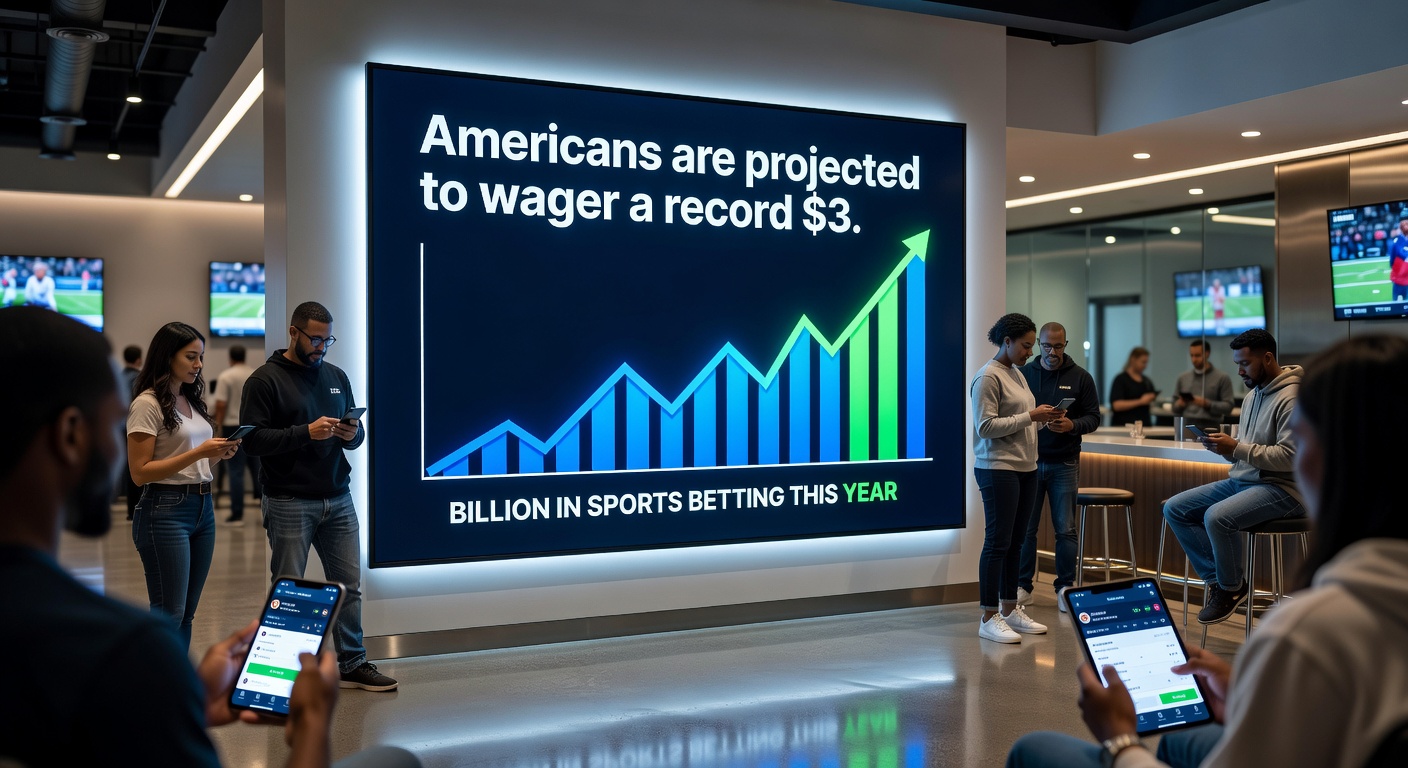
State records indicate that Utah has maintained strict limits on most forms of gambling for decades, and the new provisions build on that framework by addressing online platforms that previously operated in regulatory gaps. Those who monitor legislative developments report that similar bills have appeared in other states where prediction markets have gained traction, which suggests the Utah case could influence how regulators elsewhere interpret overlapping authorities.
Company Plans and Market Implications
Kalshi announced its intention to appeal the decision to a higher court, and the company continues to operate in jurisdictions where state officials have not yet taken enforcement steps. Company representatives noted that the appeal will focus on the preemption question and the classification of event contracts under federal commodity law, while they also explore adjustments to product offerings that might satisfy state concerns without full withdrawal from the market.
Polymarket and other platforms have not issued separate public statements on the Utah ruling, yet industry analysts expect similar legal challenges to emerge if additional states adopt comparable restrictions. Figures from trading volume reports show that prediction markets handled billions in wagers during recent election cycles, which underscores the financial stakes involved when state rules diverge from federal interpretations.
Legal Context and Precedent
Federal statutes such as the Commodity Exchange Act grant the Commodity Futures Trading Commission oversight of certain event contracts, but the Utah decision highlights that this authority does not automatically nullify state gambling prohibitions. Courts in other districts have reached varying conclusions on similar questions, and the resulting patchwork creates compliance challenges for operators that serve users nationwide.
According to court filings, Kalshi presented evidence that its contracts serve informational and hedging purposes rather than recreational betting, yet Judge Shelby determined that the state retains the right to regulate activities it classifies as gambling regardless of those characterizations. Legal scholars who reviewed the opinion point out that the ruling relies heavily on the absence of explicit federal preemption language in relevant statutes.
Conclusion
The ruling leaves prediction market operators facing increased legal uncertainty in Utah and potentially in other states that choose to follow similar enforcement paths. Kalshi will pursue its appeal while state officials prepare to implement the new legislation, and the outcome of higher court review could clarify the boundaries between federal commodity regulation and state gambling authority. Those who track regulatory developments note that additional cases may test these limits as more platforms enter the market and states respond with updated statutes.