U.S. Sports Betting Hits $166 Billion in 2025 Prompting State-Level Reviews
Written by Jonas Klein · Aug 20, 2026

U.S. Sports Betting Hits $166 Billion in 2025 Prompting State-Level Reviews
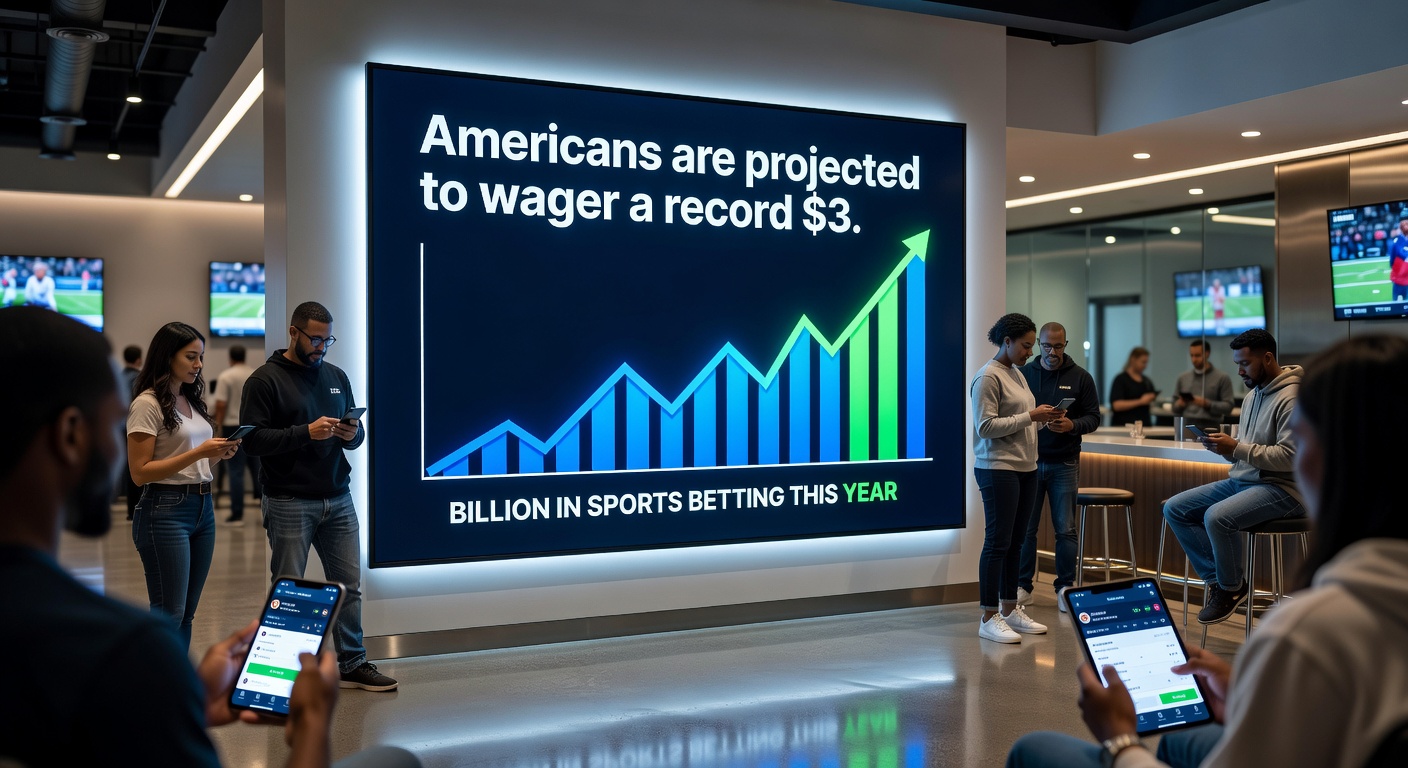
Data from 2025 shows Americans directed $166 billion toward sports betting, a figure that surpassed the combined revenues of the movie, music, book, and museum sectors during the same period, and this surge has drawn attention from editorial outlets including a July 27, 2026 piece in The Christian Science Monitor that examined the scale of participation alongside emerging concerns over addiction and financial strain.
Observers note the expansion occurred after widespread legalization across multiple states, which created new markets and advertising channels that reached broad audiences through mobile apps and broadcast partnerships, while revenue numbers continued climbing year over year without signs of plateau.
Documented Financial and Health Impacts
Reports compiled by state agencies and academic researchers indicate rising cases of gambling addiction tied directly to sports betting platforms, with associated financial harms appearing in household debt statistics and credit reports from affected regions, and these patterns prompted lawmakers to request detailed industry audits that track user behavior and loss rates over time.
Figures reveal that certain demographics, particularly younger adults, accounted for disproportionate shares of activity, leading commissions to examine how marketing messages and easy deposit features influence participation levels, while longitudinal studies tracked correlations between betting volume and reported mental health challenges in clinical settings.
Pennsylvania Commission Findings
A bipartisan commission in Pennsylvania released findings that reviewed operator practices across the state, including data on bonus structures, withdrawal timelines, and customer support response rates, and the report recommended adjustments to transparency requirements so users receive clearer disclosures about odds and long-term payout percentages before placing wagers.
Analysts involved in the review collected input from both industry representatives and treatment providers, producing a set of suggestions that state legislators began considering for potential updates to existing regulations during the 2026 session.
Colorado Legislation on Payment and Marketing Limits
Colorado enacted a new law in 2026 that restricts credit card use for sports betting deposits and places additional constraints on marketing materials aimed at individuals under 21, measures that took effect after lawmakers reviewed usage data showing elevated risk patterns among certain age groups, and enforcement now falls to the state's gaming commission which monitors compliance through transaction audits.
State records indicate the statute also requires operators to implement age-verification protocols that extend beyond initial account creation, while prohibiting certain promotional tactics that previously appeared during live sports broadcasts and social media campaigns.
Preventive Education Initiatives
Calls for expanded preventive education programs have surfaced in multiple states, with proposals emphasizing instruction on personal agency and probability concepts rather than reliance on chance outcomes, and pilot curricula developed by education departments incorporate modules that present statistical information about long-term betting results alongside decision-making frameworks.
These efforts draw on data from existing school-based programs in other jurisdictions, where pre- and post-intervention surveys measured shifts in student understanding of gambling mechanics, and early results suggest measurable differences in attitudes toward risk when lessons focus on skill versus luck distinctions.
Ongoing State and Industry Monitoring
Through August 2026 regulators continue to collect monthly activity reports from licensed operators, comparing them against benchmarks established in the prior year, while treatment centers report intake numbers that allow public health officials to adjust resource allocation for counseling services, and this data collection feeds into broader discussions at national conferences attended by gaming officials from across the country.
Industry groups have responded by publishing voluntary guidelines on responsible advertising and user protection tools, although adoption rates vary by operator and state oversight remains the primary enforcement mechanism.
Conclusion
The 2025 spending total and subsequent state actions documented in the July 2026 editorial illustrate how revenue growth has prompted targeted policy responses focused on payment restrictions, marketing limits, and education, with Pennsylvania and Colorado serving as current examples of legislative activity that other states continue to review for possible adaptation.