Understanding Layered Rewards in Integrated Digital Wagering Platforms
Written by Rosa Carter · Aug 13, 2026
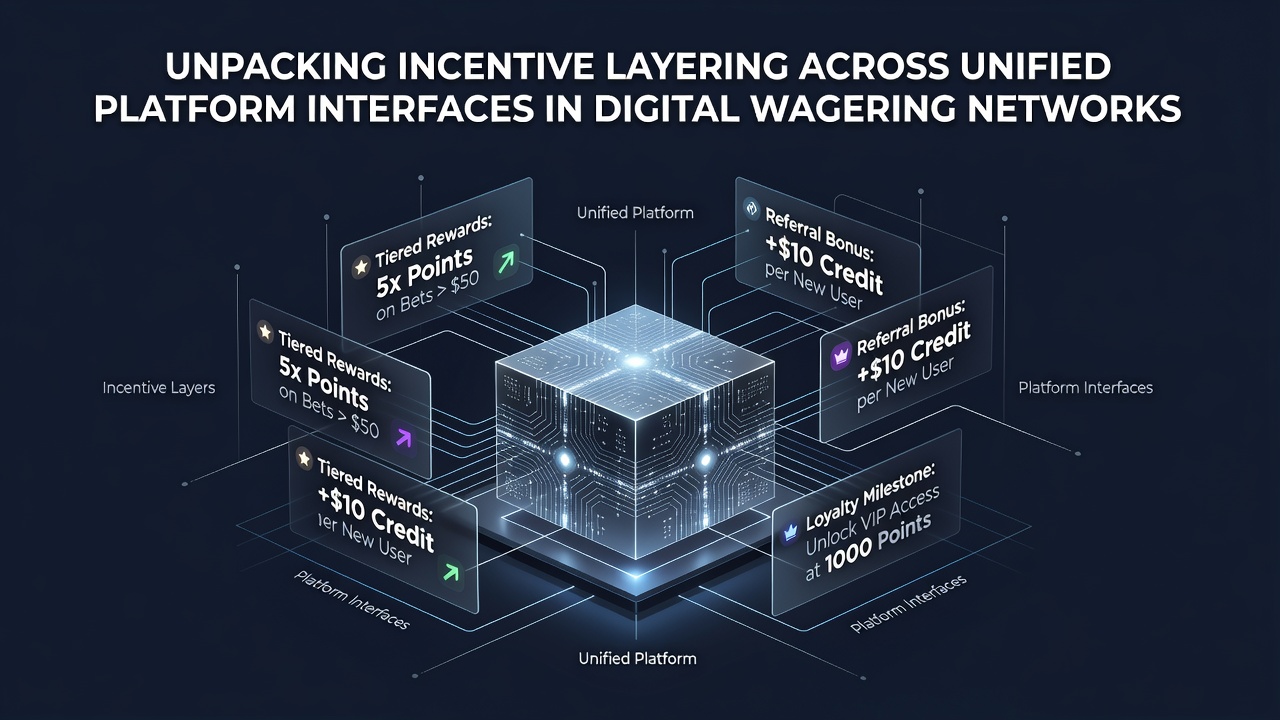
Understanding Layered Rewards in Integrated Digital Wagering Platforms
Digital wagering networks have developed unified platform interfaces that allow users to access sports betting, casino games, and poker rooms through single accounts, and these systems now incorporate layered incentive structures that combine welcome bonuses, ongoing promotions, loyalty tiers, and cross-activity rewards. Observers note that incentive layering works by assigning different reward types to distinct user actions while maintaining a shared points or credit system that carries value across game categories. Data from state regulators shows continued growth in these integrated setups through mid-2026, with platforms reporting higher session continuity when rewards activate automatically based on combined activity rather than isolated play.
Core Components of Incentive Layering
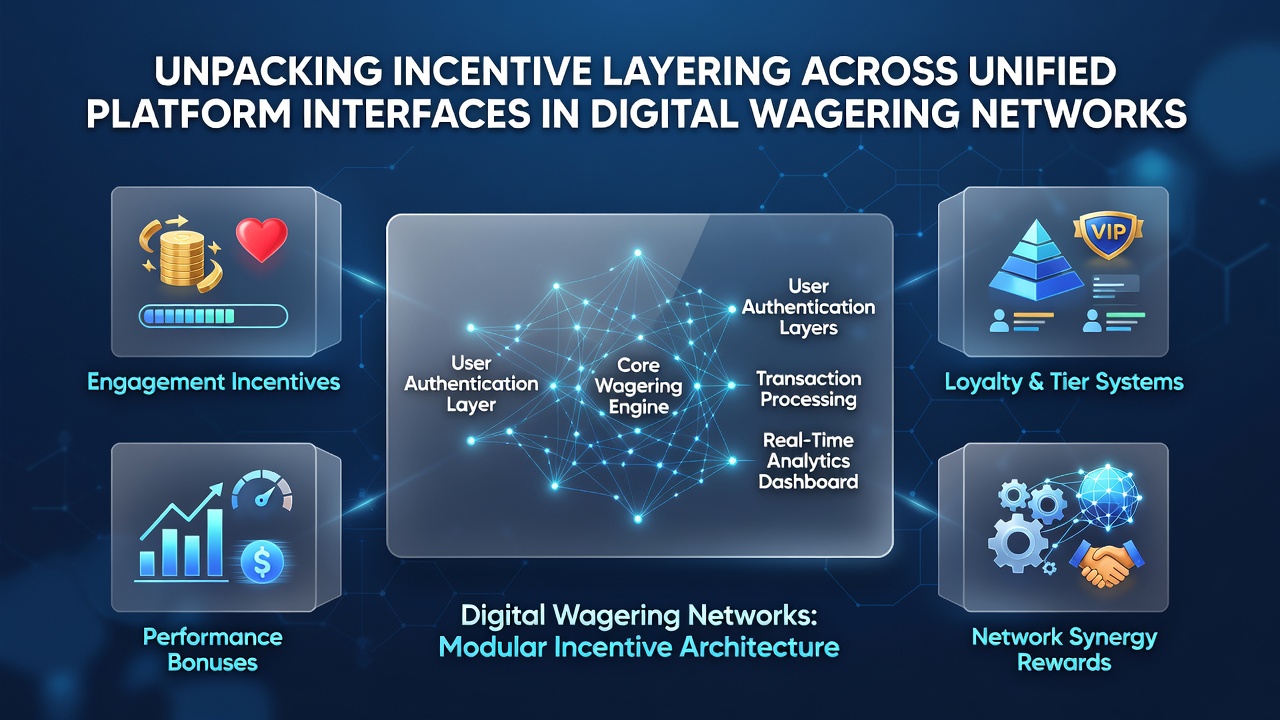
Unified interfaces rely on backend databases that track multiple metrics at once, including deposit amounts, wager volume, game type frequency, and time spent in each section, and these metrics feed into algorithms that unlock successive reward layers. The first layer often consists of deposit matches or free bets triggered at account creation, while subsequent layers activate through cumulative play that spans different products, such as earning loyalty points from sports wagers that later convert into casino credits. Researchers have documented that platforms maintain separate ledgers for each incentive type yet display unified balances to users, which reduces friction and encourages continued engagement across the entire network.
Technical integration occurs through application programming interfaces that push real-time updates between front-end displays and back-end reward engines, and this setup allows a user who places a parlay on one module to receive progress toward a loyalty milestone visible in another module. Industry reports indicate that such layering has become standard in major U.S. markets by August 2026, particularly where regulatory frameworks require clear separation between promotional funds and player deposits yet still permit seamless redemption experiences.
Data Flows and User Tracking Mechanisms
Platforms collect granular data on every transaction and game interaction to determine when layered incentives should trigger, and this information moves through secure channels that comply with state-mandated data protection standards. Studies from regulatory bodies in New Jersey adn Pennsylvania reveal that unified systems process millions of daily events without interruption, enabling rewards to stack without manual intervention from operators. Those who analyze platform architecture note that session duration metrics often correlate with the number of active incentive layers, because users receive visual cues and progress bars that span multiple game types.
Additional tracking covers geographic restrictions and age verification flags that remain constant across all modules, ensuring layered rewards respect jurisdictional rules even when users switch between sports and table games. Figures from the New Jersey Division of Gaming Enforcement show steady increases in multi-product accounts during the first half of 2026, supporting the operational viability of these unified interfaces.
Regulatory Considerations Across Jurisdictions
State regulators require operators to maintain audit trails that separate each incentive layer for compliance review, and this obligation has shaped how platforms design their unified systems. In Colorado and Michigan, for example, rules specify that promotional credits must display distinct terms and expiration dates even when presented alongside standard account balances. Observers point out that August 2026 brought updated reporting templates from several state commissions that request breakdowns of layered reward redemptions by game category, allowing regulators to monitor whether cross-product incentives create unintended concentrations of play.
Industry associations such as the American Gaming Association have published guidance documents that outline best practices for transparent incentive presentation, and operators have adopted standardized disclosure formats that appear consistently across desktop and mobile views. These measures address concerns about clarity while preserving the technical advantages of unified interfaces.
Technical Implementation Patterns
Developers build modular reward engines that attach to existing game servers rather than replacing them, and this approach permits incremental addition of new incentive layers without full platform rebuilds. Case examples from large operators show that database schemas now include fields for reward origin, activation conditions, and redemption pathways that link back to the unified user profile. Performance testing conducted in 2026 demonstrated that these layered systems handle peak loads during major sporting events while maintaining sub-second updates to displayed balances across all connected modules.
Security protocols encrypt both transaction data and reward status information during transit, and penetration testing reports confirm that isolation between layers prevents unauthorized transfer of credits from one incentive type to another. Such architecture supports continued expansion into new state markets where similar unified interface requirements apply.
Conclusion
Layered incentives within unified digital wagering platforms represent a convergence of user experience design, regulatory compliance, and backend data management that has matured considerably by August 2026. State-level revenue reports and technical documentation indicate that these systems continue to evolve through incremental improvements in tracking precision and cross-module visibility. Future developments will likely focus on further standardization of disclosure practices while preserving the operational efficiencies already achieved in current implementations.