Tournament Seasons Transform Reward Mechanisms in Cross-Platform Betting Platforms
Written by David Lorenz · Jul 6, 2026
Tournament Seasons Transform Reward Mechanisms in Cross-Platform Betting Platforms
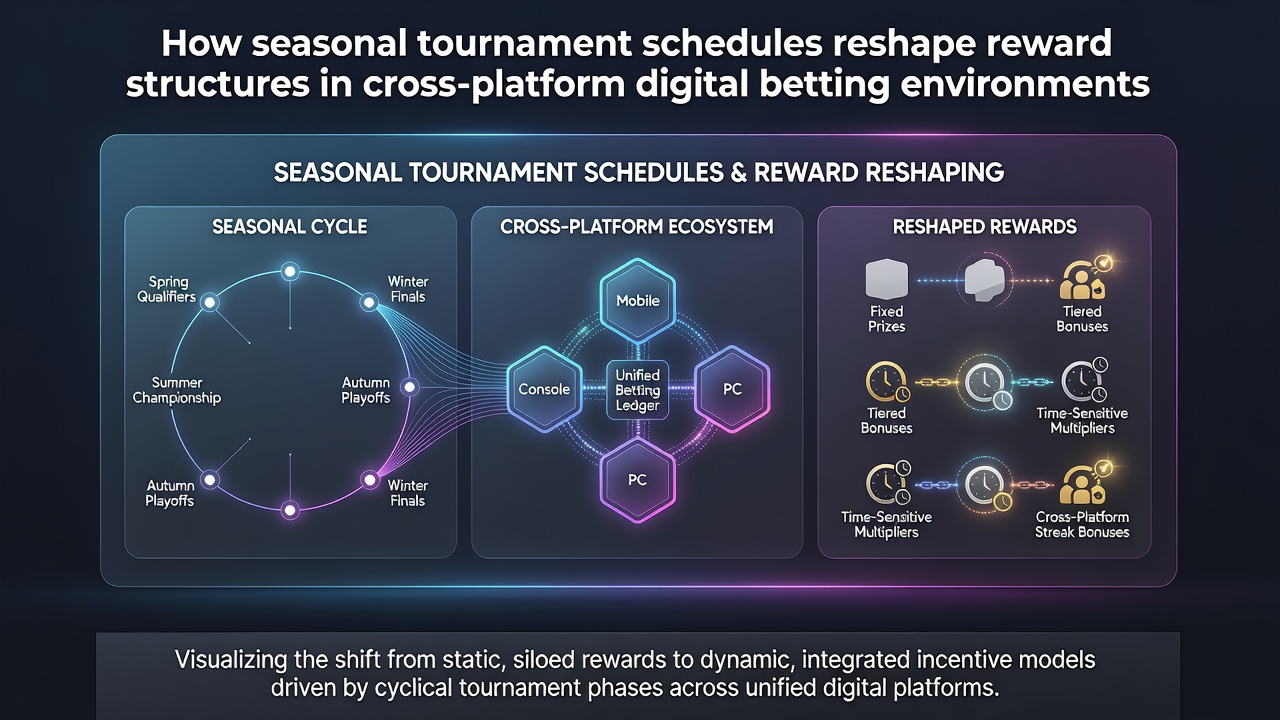
Seasonal tournament schedules create distinct patterns in how operators adjust reward structures across mobile apps, desktop platforms, and integrated betting networks, with data from major events showing synchronized changes in bonus tiers, loyalty multipliers, and payout thresholds. Major leagues such as the NFL, Premier League, and NBA drive these adjustments through predictable calendars that influence player volume and operator strategies in digital environments.
Calendar-Driven Adjustments in Bonus Structures
Operators align promotional calendars with tournament start dates, which leads to tiered reward systems that scale based on participation peaks during regular seasons versus playoffs. Research from industry reports indicates that reward multipliers often increase by 15 to 30 percent during high-volume periods like March Madness or the World Cup group stages, while off-peak windows see reductions in rollover requirements to maintain engagement. These shifts occur because betting activity concentrates around scheduled matches, prompting platforms to recalibrate deposit bonuses and cashback percentages accordingly.
Cross-platform systems enable seamless tracking of these rewards, allowing users to accumulate points from sports wagers on one device that transfer directly to casino-style games on another. Data patterns reveal that integration protocols handle this flow through centralized ledgers, reducing fragmentation that once limited reward portability between apps and web interfaces.
Impact on Loyalty Programs and Point Systems
Loyalty frameworks undergo restructuring when seasonal tournaments overlap with international competitions, creating combined reward pools that operators manage through dynamic algorithms. Figures from regulatory filings show average point redemption rates rising during these overlaps, as platforms introduce hybrid bonuses tied to both league standings and tournament progression. Observers note that such changes help sustain user sessions across multiple betting categories without requiring separate account management.
Platforms in regions like Australia and Canada demonstrate these adaptations through coordinated updates, where seasonal schedules prompt automatic adjustments to weekly challenges and milestone rewards. One study from academic researchers at the University of Sydney highlighted how these mechanisms correlate with extended user retention during transition periods between major events.
Regional Variations in July 2026 Scheduling Effects
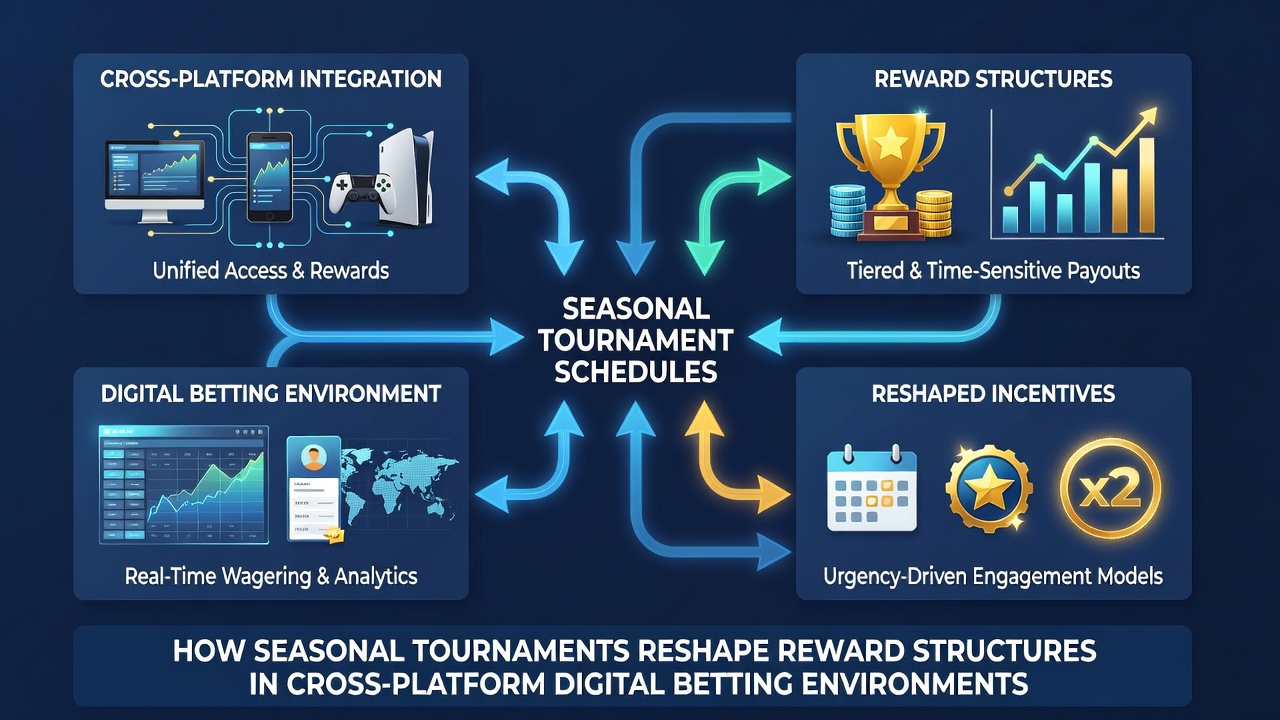
By July 2026, summer tournament schedules including baseball leagues and tennis circuits have prompted targeted reward recalibrations in North American and European markets, with operators emphasizing cross-device compatibility for accumulated bonuses. Data indicates that these periods feature lowered entry barriers for new users through welcome packages scaled to seasonal activity forecasts, while established accounts receive enhanced streak multipliers linked to ongoing events.
Regulatory bodies such as those in Ontario and several EU member states monitor these adjustments through periodic reporting requirements, which track how schedule-driven changes affect overall reward distribution fairness. This oversight ensures that cross-platform environments maintain consistent structures regardless of device or regional access points.
Technical Integration Across Networks
Backend systems facilitate reward continuity by syncing tournament-tied promotions in real time, allowing points earned during one season's matches to apply toward bonuses in subsequent events on different platforms. Evidence from operational analyses shows reduced latency in these transfers, which supports higher engagement levels as users move between live betting interfaces and static reward dashboards.
Operators achieve this through standardized APIs that connect sportsbooks with casino modules, adapting reward structures to accommodate varying tournament densities throughout the year. Those who've examined platform data note consistent patterns where seasonal peaks trigger expanded reward categories, including exclusive tournament brackets with scaled prize pools.
Conclusion
Seasonal tournament schedules continue to drive measurable evolutions in reward architectures within cross-platform digital betting systems, as operators respond to volume fluctuations with recalibrated bonuses and integrated loyalty features. These adaptations reflect broader trends in how event calendars shape operational priorities across global markets, supported by data from regulatory sources and academic examinations. The resulting structures prioritize continuity and accessibility while aligning with the rhythm of competitive seasons.