State Policy Adjustments Redefining Promotional Offers in Interstate Mobile Betting Networks
Written by Paul Bennett · Aug 1, 2026
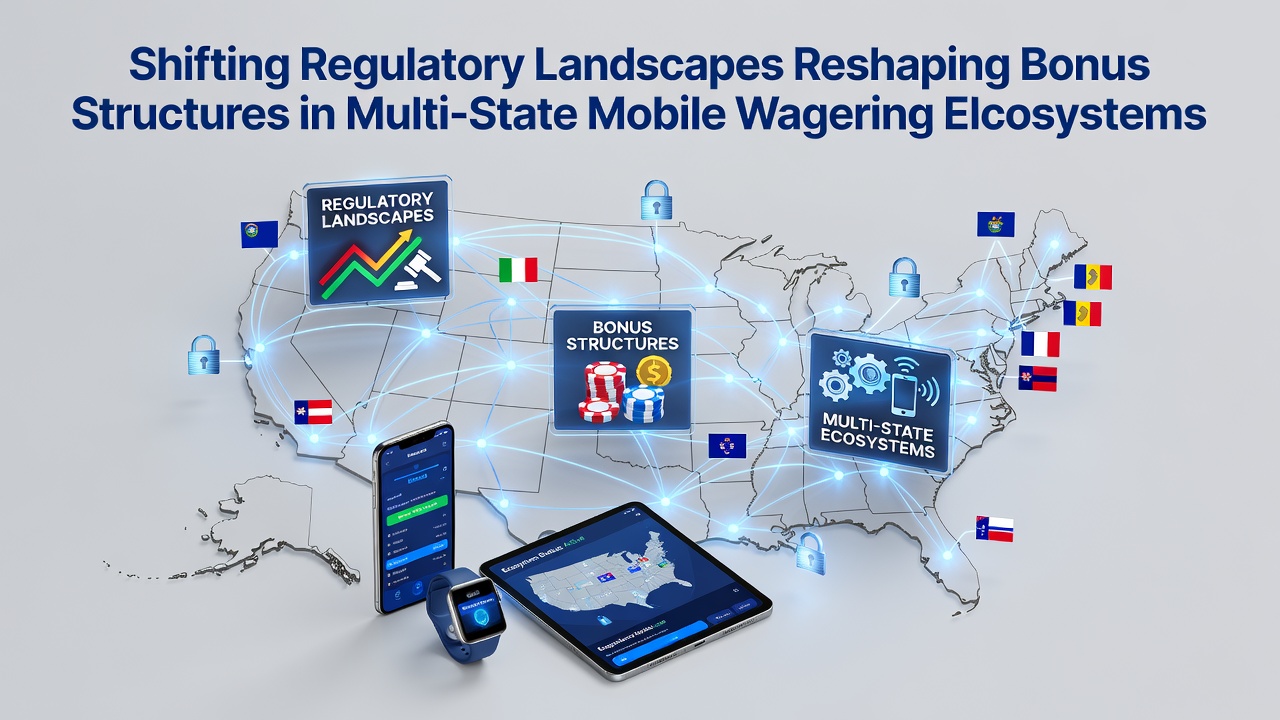
State Policy Adjustments Redefining Promotional Offers in Interstate Mobile Betting Networks
State legislatures and gaming commissions continue to refine rules that govern promotional incentives across mobile wagering platforms operating in multiple jurisdictions, and these adjustments directly influence how operators design deposit matches, free bet credits, and loyalty rewards. Data from regulatory filings indicate that variations in bonus caps, rollover thresholds, and eligibility criteria have emerged as key focal points in states such as New Jersey, Pennsylvania, and Michigan, where platforms must comply with distinct statutory requirements while serving users who cross state lines. Observers note that platforms handling interstate traffic face increased compliance costs because each jurisdiction enforces separate standards for the percentage of funds that must be wagered before withdrawal and for the types of games that count toward those requirements.
Key Regulatory Developments in 2026
During August 2026 regulators in several states issued updated guidance that tightened restrictions on bonus structures tied to mobile apps, and these directives stem from concerns over consumer protection and market fairness. Figures released by the New Jersey Division of Gaming Enforcement show that average bonus values declined by approximately 12 percent compared with the same period in 2025, while the number of active promotional offers remained stable. Operators responded by shifting toward time-limited credits that expire within shorter windows, thereby reducing long-term liability on balance sheets. Similar patterns appear in Pennsylvania, where the Gaming Control Board introduced new reporting mandates for bonus redemption rates that require monthly submissions rather than quarterly aggregates.
Those who track compliance filings observe that multi-state platforms now maintain separate bonus ledgers for each jurisdiction to avoid commingling funds subject to differing tax treatments and player protection rules. This separation adds layers of administrative overhead because systems must track user location in real time and apply the correct set of restrictions based on the state where the wager originates. Research from industry analysts indicates that such segmentation has prompted some operators to limit bonus availability to residents of states with more permissive rules, while users in stricter jurisdictions receive only standard deposit options without promotional overlays.
Technical and Operational Adaptations
Platform developers have integrated geofencing tools with bonus engines so that promotional eligibility updates automatically when a user crosses state boundaries, and this integration relies on continuous location verification that combines GPS, IP address, and network data. Companies operating across four or more states report that these systems require ongoing calibration to handle edge cases such as users near borders or those utilizing virtual private networks. Data patterns from August 2026 reveal that bonus abuse incidents dropped in states that implemented stricter identity verification tied to promotional accounts, although overall player acquisition costs rose as a result of narrower targeting parameters.
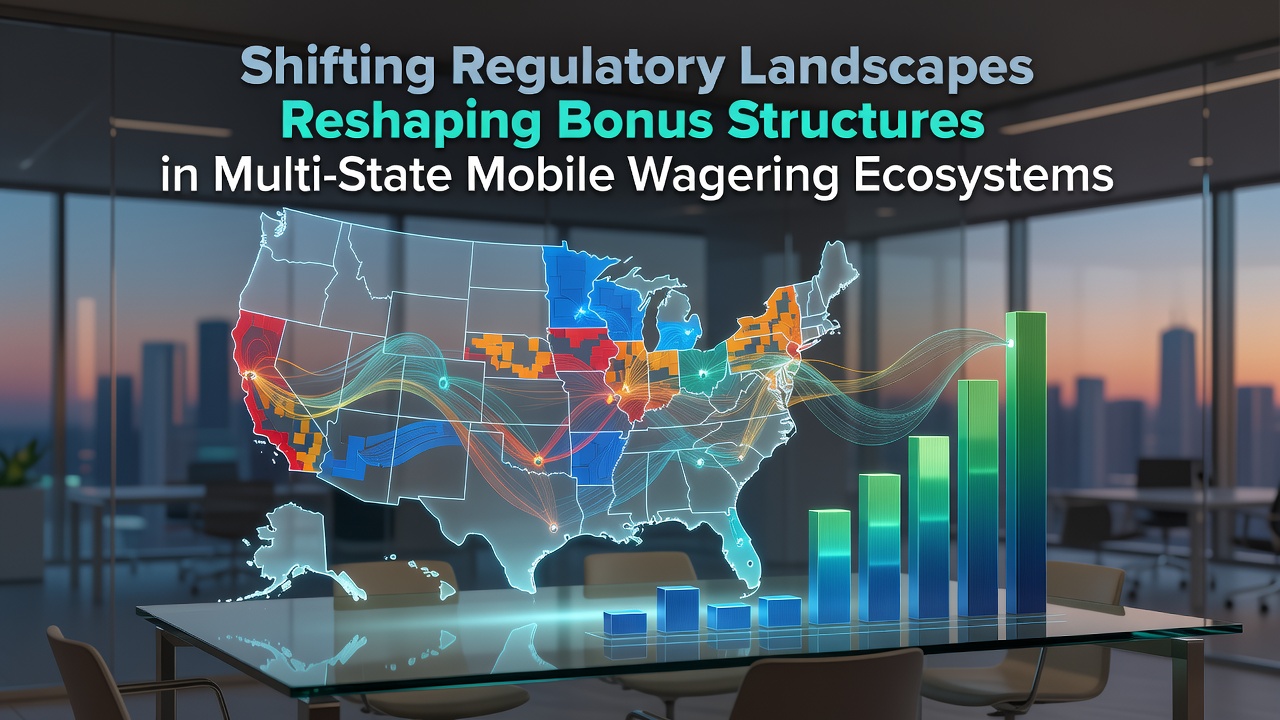
Financial models used by operators now incorporate jurisdiction-specific risk factors when calculating expected bonus redemption, and these models draw on historical data sets that segment player behavior by state. One study released by an academic research group at the University of Nevada, Reno examined how changes in rollover requirements affected session lengths and found that lower thresholds correlated with shorter average play times in mobile environments. Operators have adjusted marketing language accordingly, emphasizing the reduced wagering multiples in promotional materials aimed at users in states that adopted the lower caps.
Cross-State Comparisons and Industry Responses
Comparative analysis of regulatory filings shows that Michigan maintains higher maximum bonus amounts than neighboring states, yet it imposes tighter restrictions on which game types contribute to rollover progress. This divergence creates incentive structures that encourage users to maintain accounts on multiple platforms depending on their preferred game mix and location. Industry associations such as the American Gaming Association have compiled reports documenting how these differences affect revenue allocation across state lines, with data indicating that bonus-related tax liabilities now represent a larger share of total operator expenses in multi-state operations.
Platforms have begun offering tiered loyalty programs that reset or adjust when users move between states, and this approach allows operators to remain compliant while preserving some continuity for frequent players. External audits of these systems, required under several state statutes, verify that bonus balances transfer only after confirmation that the new jurisdiction permits the specific reward format. Such measures have reduced disputes over forfeited funds, although processing times for balance adjustments have lengthened in some cases.
Conclusion
Regulatory evolution across multiple states continues to drive structural changes in how mobile wagering platforms present and administer bonuses, and the resulting ecosystem features more segmented offerings tailored to each jurisdiction's statutes. Compliance teams now prioritize real-time rule engines and detailed reporting frameworks to manage obligations that differ by user location. Figures from state gaming agencies demonstrate that these adaptations have stabilized bonus-related expenditures while maintaining competitive positioning in a fragmented regulatory environment. As additional states finalize their frameworks, platforms will likely refine these systems further to accommodate emerging requirements without disrupting core operations.