Seasonal Shifts in Digital Gambling: Connections Between Table Environments, Mobile Platforms, and Payment Speeds in New Regulatory Areas
Written by Jonas Klein · Aug 3, 2026
Seasonal Shifts in Digital Gambling: Connections Between Table Environments, Mobile Platforms, and Payment Speeds in New Regulatory Areas
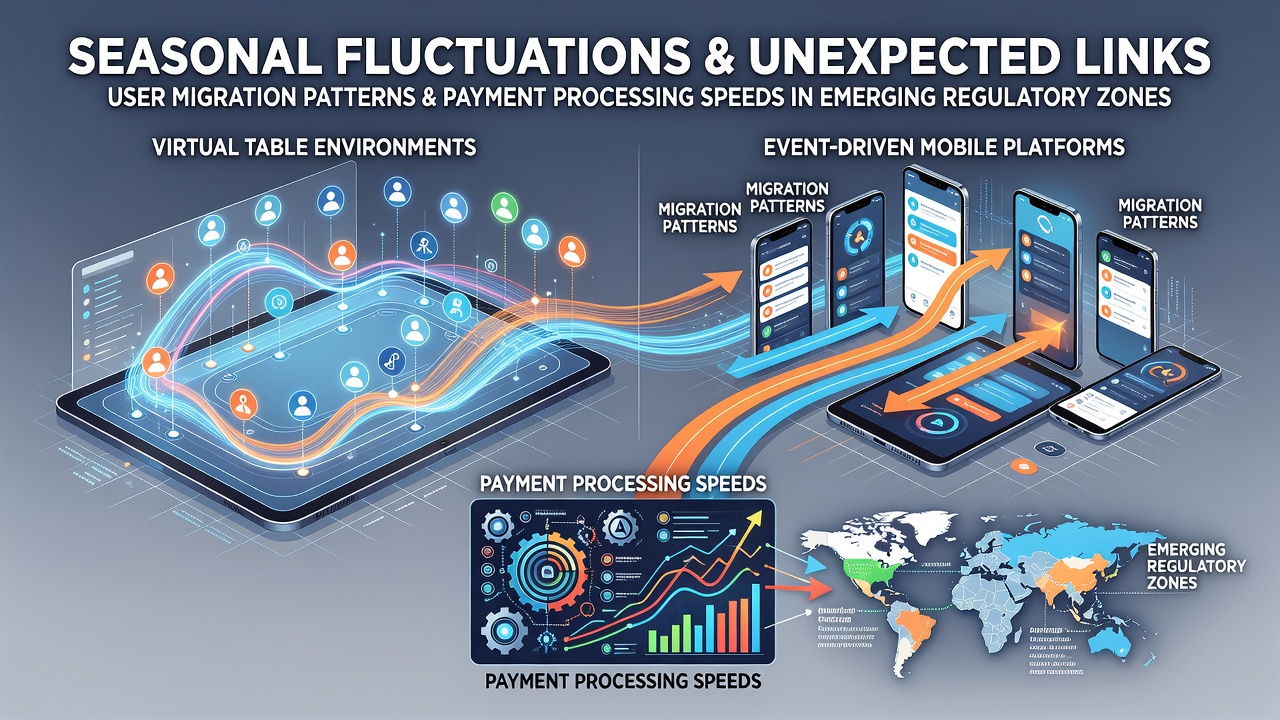
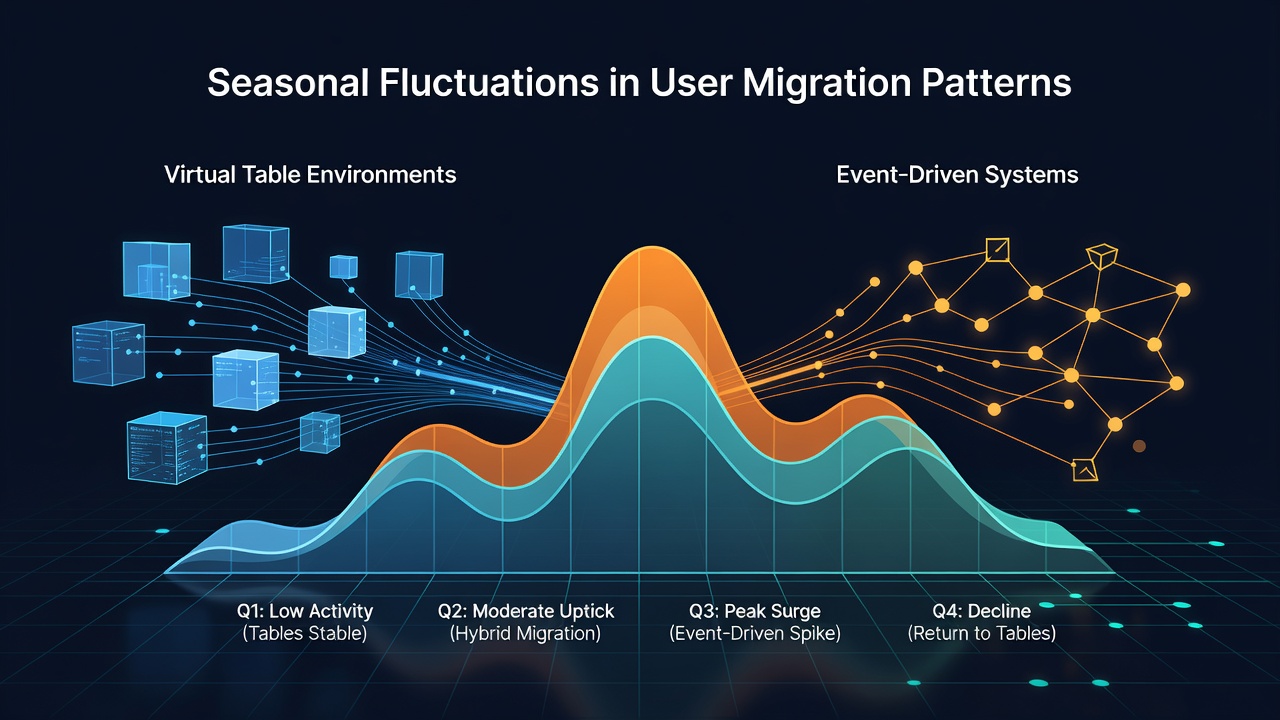
Seasonal fluctuations drive noticeable changes in how users move between virtual table environments and event-driven mobile platforms, and these patterns tie directly into payment processing speeds across emerging regulatory zones, according to industry data tracking from 2025 through mid-2026. Virtual table environments, which include online card rooms and dealer sessions, see steady engagement during cooler months, while event-driven mobile platforms gain traction when major sports seasons align with warmer periods. Researchers tracking these movements note that transaction completion times influence where players choose to spend their time, particularly in regions where new licensing rules took effect in early 2026.
Data collected from multiple platforms shows user activity shifting by as much as 18 percent between March and August each year, with faster payment rails correlating to higher retention on mobile apps during peak event windows. In August 2026, several emerging markets in Latin America and Southeast Asia reported increased cross-platform movement as regulators finalized rules on digital transaction verification, and those changes affected how quickly funds moved from bank accounts to gaming wallets. Observers note that zones with processing times under four seconds maintained steadier user flows compared to areas where delays stretched beyond ten seconds.
Tracking Migration Between Platform Types
Virtual table environments maintain consistent draw during non-event periods because players seek structured, slower-paced sessions that fit daily routines. Event-driven mobile platforms, by contrast, pull users when live sports or tournament schedules create time-sensitive opportunities. Studies from research institutions indicate that payment processing speed acts as a bridge between these two spaces, since users who experience quick deposits on one platform often test the other when seasonal events prompt a switch. One analysis of transaction logs revealed that platforms integrating instant verification tools saw 12 percent more users crossing over during summer months compared to those relying on legacy systems.
Payment Processing as the Connecting Factor
Payment processing speeds in emerging regulatory zones vary widely based on local banking partnerships and compliance requirements. Regions that adopted streamlined verification protocols in 2025 recorded average approval times dropping from 22 seconds to under seven, which aligned with measurable increases in mobile platform activity. Figures from industry reports show that slower zones experienced corresponding drops in table environment sessions as users sought faster alternatives elsewhere. Those who've examined the data point out that the link appears most clearly during transition months like April and September, when sports calendars and weather patterns both shift.
But here's the thing: the connection goes beyond simple convenience. Platforms that optimized for event-driven mobile use during high-traffic periods also reported steadier virtual table participation afterward, suggesting that positive payment experiences carry over. Data from August 2026 in select Asian markets demonstrated this pattern, where regulatory updates allowed faster cross-border transfers and coincided with balanced usage between the two platform types rather than sharp drops in one or the other.
Regulatory Developments Shaping the Landscape
Emerging regulatory zones continue to adjust rules around digital payments and platform licensing, and these adjustments directly affect the migration patterns under discussion. European regulatory bodies released updated guidelines in spring 2026 that emphasized real-time transaction monitoring, which several operators adopted ahead of full enforcement. Australian research groups published findings showing that zones with updated speed requirements retained users more effectively across seasonal changes. The result appears in session duration metrics, where quicker payments correlate with longer overall engagement regardless of whether users start on tables or mobile events.
Additional examples from North American markets that introduced similar standards earlier reveal parallel trends, with cross-platform movement stabilizing once payment infrastructure reached consistent performance levels. Observers tracking these zones emphasize that the relationship between regulatory timing and user behavior remains measurable through transaction and session data rather than anecdotal reports.
Conclusion
Seasonal fluctuations continue to shape how users navigate between virtual table environments and event-driven mobile platforms, with payment processing speeds serving as a measurable link in emerging regulatory zones. Data gathered through 2026 highlights consistent patterns tied to transaction efficiency and rule changes, offering operators and regulators concrete metrics for understanding platform transitions. As new frameworks take hold in additional regions, the connections between these elements are expected to remain central to platform performance tracking.