Projected Record Betting Volume for 2026 FIFA World Cup Reaches $5.5 Billion in US Markets
Written by David Lorenz · May 30, 2026

Projected Record Betting Volume for 2026 FIFA World Cup Reaches $5.5 Billion in US Markets
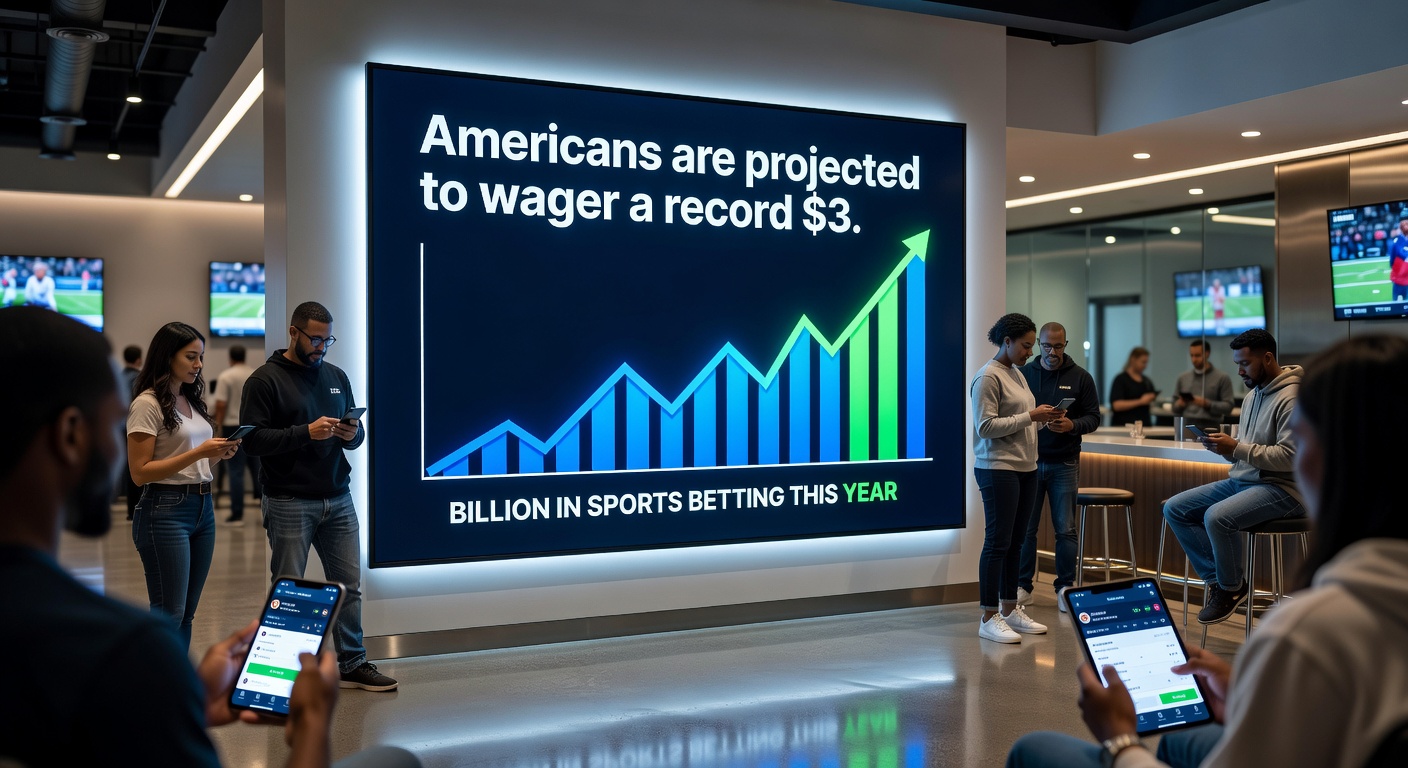
Legal online sports betting across dozens of US states stands projected to handle $3.1 billion in wagers on the 2026 FIFA World Cup while prediction markets such as Kalshi and Polymarket prepare to manage another $2.4 billion according to current industry estimates, and these combined figures would exceed both the 2026 Super Bowl totals and the $1.8 billion recorded for the 2022 World Cup.
Data from a PwC survey of more than 2,000 US adults conducted in April shows that 58 percent plan to place bets on the event through regulated apps, prediction platforms, fantasy sports contests, or informal channels, and roughly one-third of those intending to wager expect to stake at least $250 over the course of the tournament.
Legal Sports Betting Landscape Expands Ahead of 2026 Event
States that permit mobile sportsbooks continue to see growing participation as the expanded 48-team format brings 104 matches to venues in the United States, Canada, and Mexico, and prime-time scheduling for many of those games is expected to increase viewership and related betting activity during evening hours when more participants are available.
Operators in active markets report steady user growth since the last World Cup cycle, and regulatory frameworks established in recent years now support higher transaction volumes without the previous geographic restrictions that limited earlier events.
Prediction Markets Add Significant Volume Beyond Traditional Sportsbooks
Kalshi and Polymarket operate under different regulatory structures than standard sportsbooks yet still draw substantial interest from users who prefer contract-style outcomes on match results, group standings, and tournament advancement, and analysts tracking these platforms note that the additional $2.4 billion projection reflects increased familiarity with event contracts following recent election cycles.
These markets allow participants to trade positions throughout the tournament rather than placing single fixed-odds bets, which creates ongoing engagement across the 104 matches and contributes to the overall projected handle.
Survey Reveals Broad Participation Intent Across Demographics
The April PwC poll captured responses from a wide cross-section of adults in states where legal options exist, and the 58 percent figure indicates that planned participation spans both experienced bettors and first-time users drawn by the global profile of the World Cup.
Among those planning wagers, the one-third segment targeting at least $250 aligns with patterns observed during previous major soccer tournaments, though the larger field of 48 teams and extended schedule may extend the duration over which individual bettors remain active.
Tournament Structure and Timing Drive Higher Engagement Projections
The move to 104 matches across three host nations creates more betting opportunities than the previous 32-team format, and the inclusion of additional teams from varied confederations introduces new matchups that attract interest from diverse fan bases within the United States.
Prime-time kickoffs scheduled for US television windows further support the projections by aligning games with peak leisure hours, which historically correlates with elevated betting volumes on both single-match and parlay products offered by licensed operators.
Comparison to Prior Events Highlights Growth Trajectory
Industry tracking shows the 2022 World Cup generated $1.8 billion in US legal sports betting handle, and current forecasts place the 2026 total substantially higher even before adding prediction market activity, which reflects both expanded legalization since 2022 and the larger scale of the upcoming tournament itself.
The 2026 Super Bowl projection sits below the combined World Cup figures cited in the same estimates, underscoring the unique draw of soccer's quadrennial event when hosted on North American soil.
Conclusion
Current projections position the 2026 FIFA World Cup as the largest single-event betting occasion in US legal markets to date when both sportsbooks and prediction platforms are combined, and the PwC survey data provides supporting context on anticipated participation levels ahead of the June kickoff. Observers monitoring state regulatory reports and platform metrics will track whether actual volumes align with these April-based forecasts as the expanded schedule unfolds across host cities.