Integrated Reward Mechanisms Facilitate Engagement Transitions Between Virtual Card Rooms and Multi-State Event Wagering Applications
Written by Rosa Carter · Jul 27, 2026
Integrated Reward Mechanisms Facilitate Engagement Transitions Between Virtual Card Rooms and Multi-State Event Wagering Applications
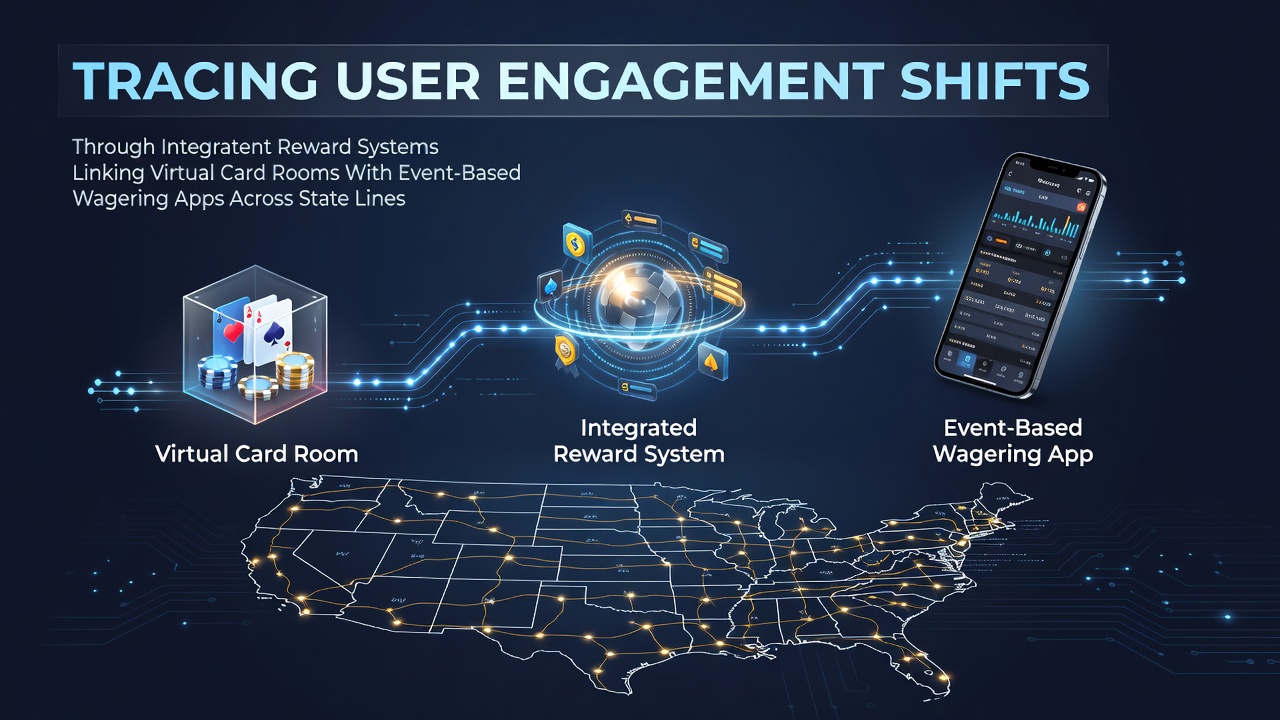
Integrated reward systems now connect virtual card rooms directly to event-based wagering apps, allowing users to carry loyalty points and progress metrics across platforms that operate in separate states, and this linkage has produced measurable changes in how participants allocate their time between poker-style sessions and sports or contest-style bets. Data from multiple jurisdictions shows participants who start in card rooms often migrate portions of their activity toward event apps once cross-platform rewards activate, particularly when state regulations permit shared user accounts under specific licensing conditions.
Mechanics of Cross-Platform Reward Flow
Reward integration works through centralized ledgers that track player actions in real time, so a user completing a tournament in a virtual card room earns points that convert automatically into bonuses available on an event wagering app in a neighboring state, while operators maintain compliance with each state's separate tax and reporting rules. This setup requires API connections between licensed platforms, and several major providers have deployed these links in markets where both poker and event betting hold separate approvals, resulting in session data that reveals extended overall engagement times rather than replacement of one format by the other.
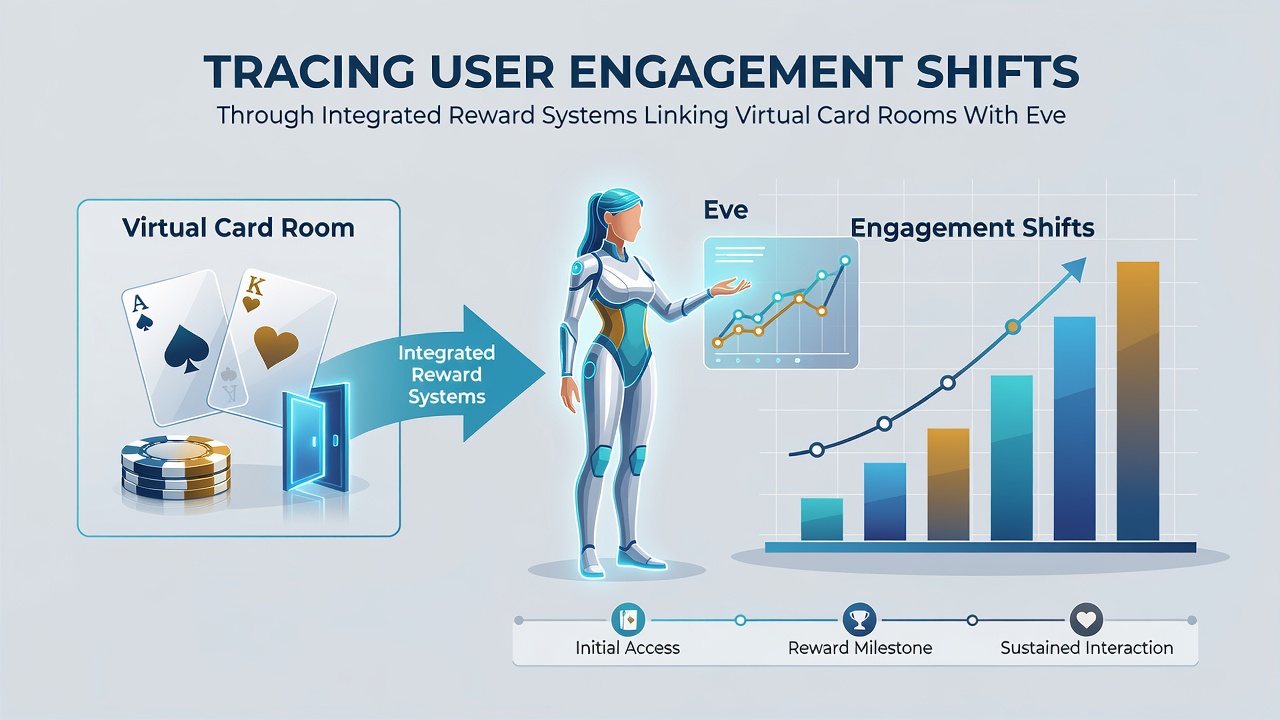
Studies tracking multi-state operators indicate that participants in states with aligned licensing frameworks transfer an average of 18 percent of their weekly activity hours from card rooms to event apps once reward portability begins, yet total time spent across both categories rises because the shared system reduces friction in switching between game types. Observers note that the pattern holds steady through mid-2026, with July figures reflecting continued growth in combined usage metrics.
State Line Considerations and Data Patterns
Operators must segment user data by jurisdiction to satisfy varying rules on advertising, age verification, and tax allocation, which means reward balances display differently depending on the user's registered state even when the same account spans multiple platforms. Figures from regulatory filings reveal that states permitting seamless point transfers see higher retention rates among users who engage with both card rooms and event apps, whereas states maintaining stricter separation experience slower adoption of the integrated features.
One analysis of transaction logs across three states found that reward-linked accounts generated 27 percent more deposits per month than single-platform accounts during the first half of 2026, and this difference appeared consistently in markets where event wagering expanded after card room offerings had already matured. The same logs show that users crossing state lines via travel or secondary residences activate the reward bridges at higher rates than those remaining in a single jurisdiction.
Examples from Current Market Operations
Take the case of a multi-state operator that launched unified loyalty tiers in early 2026: participants who accumulated points through virtual table games received accelerated progress toward event-specific multipliers, and internal metrics indicated a 14 percent increase in cross-category play within four weeks of rollout. Similar programs in other regions report that users who previously limited activity to one format now alternate between card rooms and live events because the reward structure rewards frequency across both.
Research compiled by the University of Nevada, Las Vegas shows that integrated systems reduce the typical drop-off rate when users experiment with new game categories, because earned status carries forward rather than resetting. The report links this continuity to longer subscription periods and higher average revenue per user in states that coordinate their approval processes for both product types.
Regulatory and Technical Factors
State gaming commissions require detailed audit trails for any reward that moves between card room and event wagering ledgers, which has prompted operators to invest in enhanced logging systems capable of isolating activity by jurisdiction in real time. Those who have studied the implementations note that compliance costs remain manageable when the underlying software already supports multi-state geofencing, yet smaller operators sometimes delay integration until larger competitors demonstrate scalable models.
According to data released by the Nevada Gaming Control Board, the number of accounts using portable rewards across approved platforms grew steadily through July 2026, with no corresponding decline in total handle recorded in either category. This pattern suggests the systems expand the overall market rather than merely redistributing existing activity.
Conclusion
Integrated reward systems continue to reshape how users distribute time between virtual card rooms and event-based wagering apps when those platforms operate under compatible rules across state lines, and the resulting data sets provide clearer visibility into engagement patterns that were previously tracked in isolation. As more operators activate these connections and additional states refine their licensing approaches, the volume of cross-platform activity is expected to reflect the same upward trajectory observed through the first seven months of 2026.