How Loyalty Point Transfers Between Virtual Gaming Tables and Live Event Betting Lines Extend Mobile Device Sessions
Written by Logan Müller · Jul 2, 2026
How Loyalty Point Transfers Between Virtual Gaming Tables and Live Event Betting Lines Extend Mobile Device Sessions
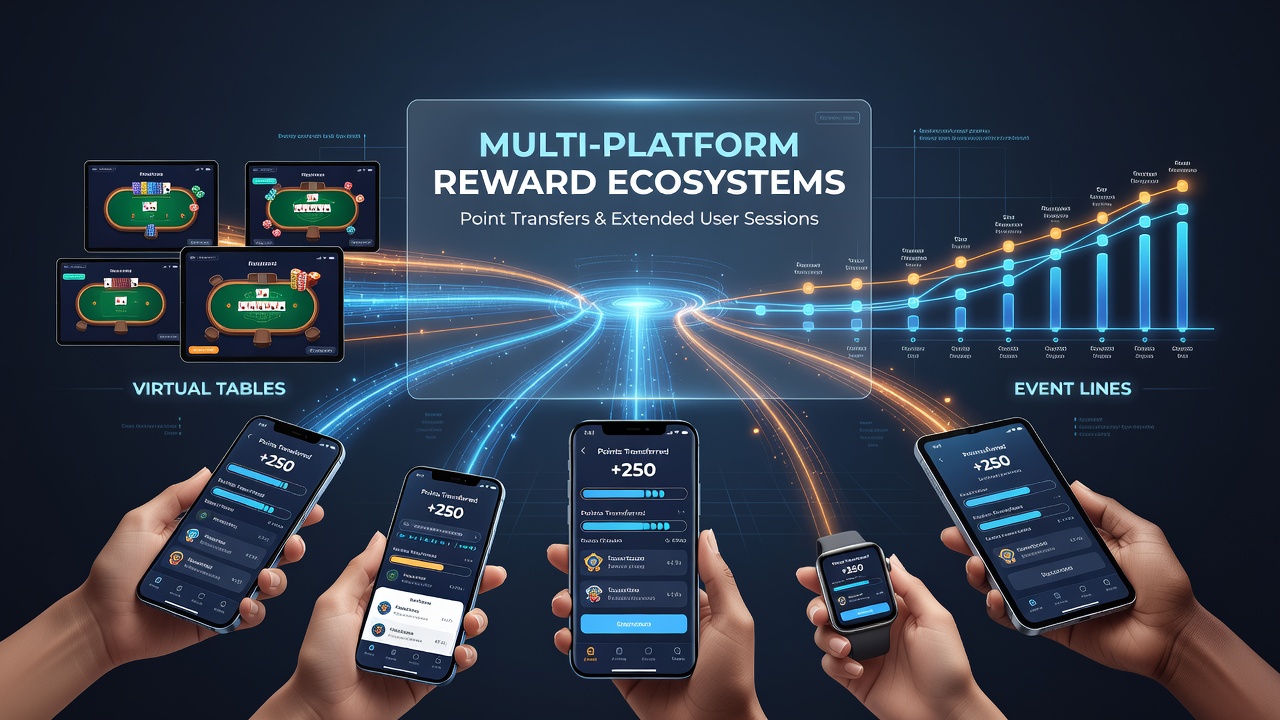
Multi-platform reward ecosystems operate through interconnected systems where loyalty points move fluidly from virtual dealer tables to event-based betting lines, and observers note that these mechanics directly influence session lengths on handheld devices. Data from industry reports shows users maintain longer engagement periods when points earned at one interface convert instantly for use at another, creating continuous activity loops across poker rooms and sports wagering applications.
Mechanics of Point Transfers in Cross-Platform Systems
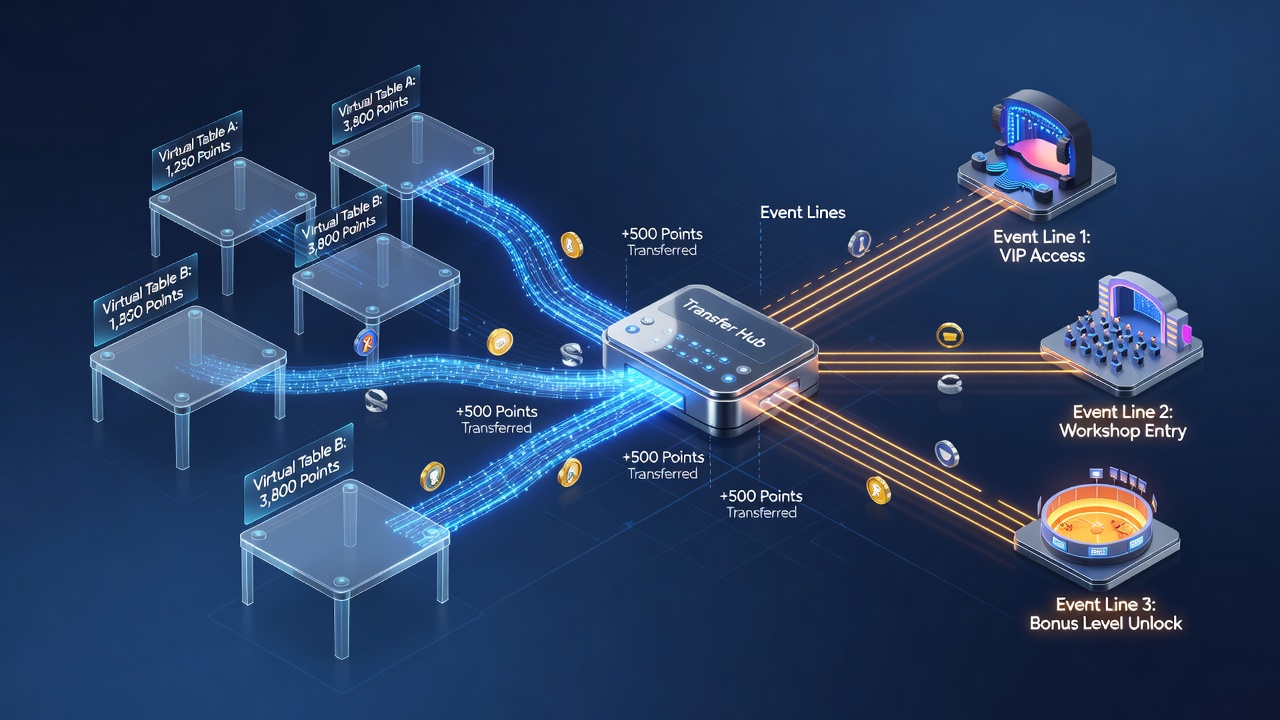
Points accumulate at virtual tables through gameplay actions such as hand completions or tournament placements, then transfer via centralized accounts to event lines where they apply toward bets on live matches or outcomes. Researchers have documented that seamless API connections between platforms allow these exchanges to occur without user-initiated steps, reducing friction that typically interrupts sessions. In July 2026, platform analytics indicated average mobile sessions extended by 22 percent when transfer options activated mid-activity, according to aggregated data from multiple operators.
Users switch between card-based environments and event wagering sections while retaining point values, and this continuity encourages repeated logins throughout the day. The process relies on unified player profiles that track balances across distinct game types, while backend ledgers update in real time to reflect conversions at predetermined rates.
Impact on Handheld Device Engagement Patterns
Extended sessions emerge when point transfers align with peak usage windows on phones and tablets, particularly during evening hours when users alternate between table games and live event feeds. Figures from Canadian regulatory summaries reveal that mobile gambling activity in Ontario increased notably during periods when cross-platform rewards activated, with handheld devices accounting for over 65 percent of total session time in tracked markets. Those who study user behavior observe that notifications about available point redemptions on event lines prompt immediate returns to the application, sustaining momentum from earlier table play.
Device sensors and push systems further support this pattern by delivering tailored alerts based on accumulated points, prompting transitions that keep users within the ecosystem rather than exiting to external applications. One case examined by academic researchers at a North American institution demonstrated that participants using transfer-enabled apps logged 40 percent more minutes per week compared to those on isolated platforms.
Technical Infrastructure Supporting Transfers
Secure token systems and encrypted ledgers form the backbone of these transfers, ensuring point values remain consistent whether applied at dealer tables or shifted to event betting interfaces. Australian government gaming reports from 2025 highlighted how standardized data protocols across operators reduced transfer failures to under 2 percent, allowing uninterrupted mobile experiences. Developers integrate these features through modular code that syncs with existing payment gateways, enabling point movements to mirror deposit and withdrawal processes without additional verification layers.
Real-time synchronization prevents discrepancies that might otherwise halt a session, and observers note that platforms employing cloud-based matching engines achieve higher retention during multi-hour periods. Data indicates that when transfers complete in under three seconds, users proceed directly to new activities instead of pausing or switching devices.
Regional Variations in Ecosystem Adoption
European markets have seen operators adopt similar transfer models following updates to digital gaming frameworks, with Italian regulatory bodies publishing statistics that link point mobility to increased tablet usage in sports event wagering. Meanwhile, data from U.S. state commissions outside New Jersey shows parallel growth in handheld sessions when rewards flow between virtual tables and live lines. These variations depend on local licensing rules that govern how points convert across game categories, yet the core mechanism remains consistent in driving prolonged device interaction.
Industry associations such as the American Gaming Association have compiled reports indicating that ecosystems with fluid point movement correlate with higher daily active users on mobile platforms. Users in these regions often maintain accounts across multiple operators, transferring points to capitalize on event-specific multipliers that extend play beyond initial table sessions.
Conclusion
Point transfers between virtual tables and event lines create interconnected pathways that shape extended user sessions on handheld devices through technical integration and behavioral reinforcement. Evidence from regulatory summaries and research studies demonstrates measurable increases in session duration when these systems function without interruption, reflecting broader patterns in multi-platform digital gaming environments as of mid-2026. Continued monitoring by oversight bodies will track how these dynamics evolve alongside device capabilities and regulatory adjustments.