Global Regulatory Adjustments Reshape Cross-Border Digital Wagering Flows and Operator Strategies
Written by Rosa Carter · Jul 16, 2026
Global Regulatory Adjustments Reshape Cross-Border Digital Wagering Flows and Operator Strategies
Regulatory frameworks in multiple jurisdictions continue to evolve and create measurable effects on how participants engage with digital wagering platforms that operate across borders, while operators adjust their technical and operational setups accordingly. Data from mid-2026 indicates that shifts in licensing rules, tax structures, and consumer protection requirements have redirected traffic volumes between regions, particularly in the period leading into July 2026 when several new compliance deadlines took effect.
Key Regulatory Developments Across Regions
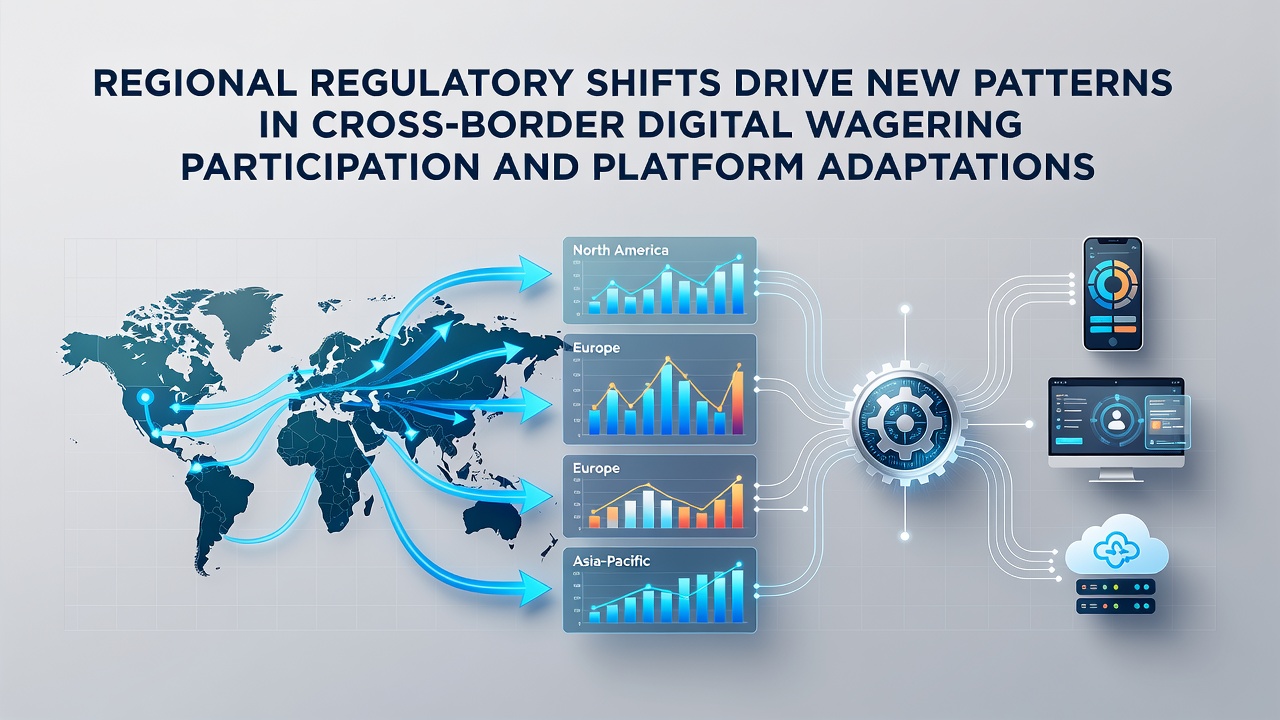
European Union member states implemented updated directives on remote gambling that require operators to maintain separate player funds and enhanced reporting on cross-border transactions, and these measures coincided with increased activity on platforms licensed in jurisdictions that already met stricter standards. In Canada, provincial authorities expanded oversight of online offerings, prompting operators to segment user access based on location verification protocols that became mandatory in spring 2026. Australian state governments introduced additional responsible gambling tools that integrate with national payment restrictions, resulting in observable changes to session lengths and deposit patterns among users who previously accessed offshore sites.
These adjustments did not occur in isolation, as regulators in one region often reference developments elsewhere when drafting new rules, and this interconnected process has produced a patchwork of requirements that platforms must navigate simultaneously.
Shifts in Participation Patterns
Participation data collected through the first half of 2026 shows that users in markets with tightening rules increasingly route activity through platforms holding licenses in multiple jurisdictions, and this behavior has elevated the share of traffic handled by operators with established compliance infrastructure. Figures reveal that cross-border sessions originating from the European Union rose by measurable percentages on sites licensed in Malta and Gibraltar, while activity from North American users concentrated on platforms that secured approvals in Ontario and select U.S. states. Researchers tracking these flows note that the changes appear tied to both regulatory clarity and the availability of localized payment options rather than any single policy decision.
Platform Adaptations in Response
Operators have responded by investing in modular compliance systems that allow rapid reconfiguration of features such as age verification, transaction monitoring, and bonus structures to match the rules of each user’s jurisdiction. Technical teams have deployed geofencing upgrades and real-time license checks that activate different interfaces depending on detected location, and these changes have reduced instances of service interruptions reported during peak betting periods. Several major platforms also established partnerships with local payment processors to maintain service continuity after new restrictions on international transfers took effect in July 2026.
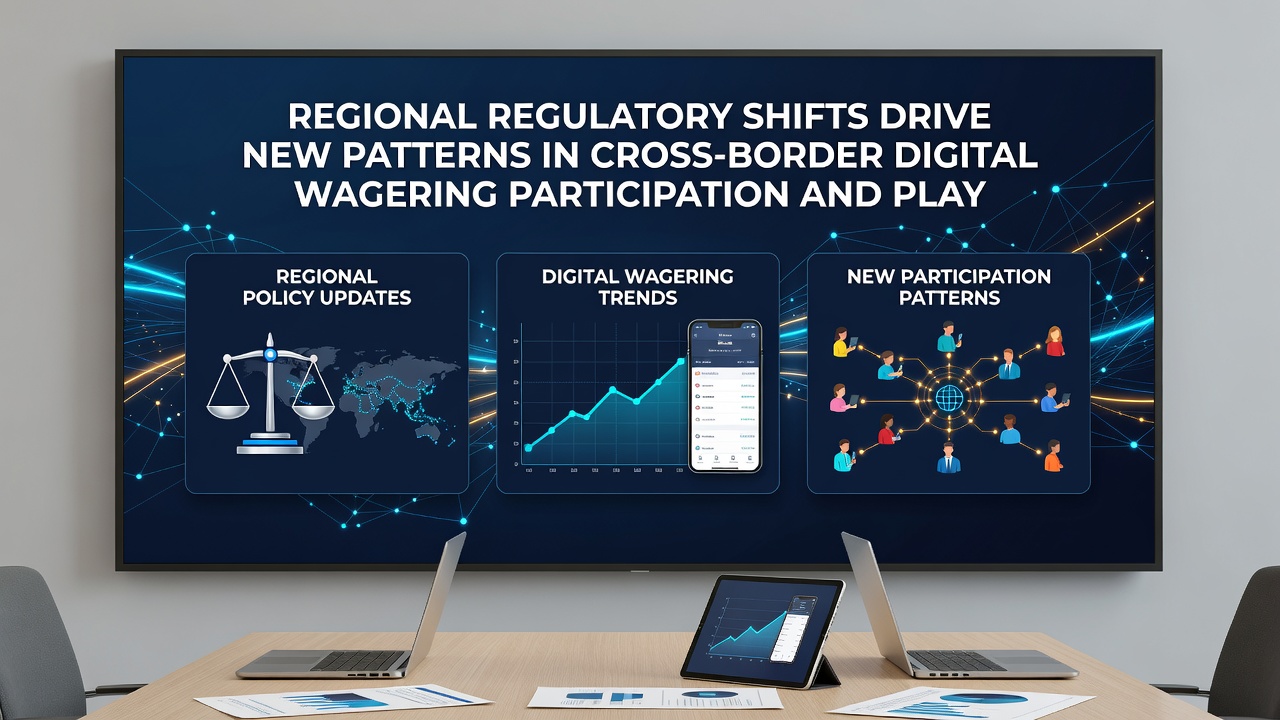
Industry reports indicate that these adaptations have extended development timelines and increased operational costs, yet they have also opened access to previously restricted user segments in jurisdictions that favor operators demonstrating robust local compliance. Observers note that platforms maintaining flexible backend architectures have captured larger portions of redirected traffic compared with those relying on single-jurisdiction models.
Regional Case Examples
According to information released by the Alcohol and Gaming Commission of Ontario, licensed operators recorded higher volumes of cross-provincial user registrations after regulatory updates clarified interstate access rules in early 2026. Meanwhile, data compiled by the Australian Communications and Media Authority documented a measurable decline in traffic to unlicensed offshore platforms following the rollout of additional blocking measures and consumer alerts. In both cases, the regulatory changes coincided with platform updates that emphasized transparent licensing information and localized responsible gambling resources.
European operators facing the new EU reporting standards have similarly adjusted marketing approaches, shifting emphasis toward markets where regulatory alignment already exists rather than attempting broad international campaigns that risk non-compliance. These examples illustrate how regulatory clarity in one area can accelerate platform consolidation in adjacent regions.
Conclusion
Regional regulatory shifts continue to influence participation patterns and force ongoing adaptations by digital wagering platforms that serve cross-border audiences. The period through July 2026 demonstrated that operators with adaptable compliance frameworks maintained broader reach, while users gravitated toward services that aligned with the evolving requirements of their home jurisdictions. Continued monitoring by regulatory bodies and industry groups will determine the longer-term distribution of activity across these interconnected markets.