Following the Money: How Payment Provider Partnerships Affect Accessibility in Regional Online Gaming Markets
Written by David Lorenz · Jul 25, 2026
Following the Money: How Payment Provider Partnerships Affect Accessibility in Regional Online Gaming Markets
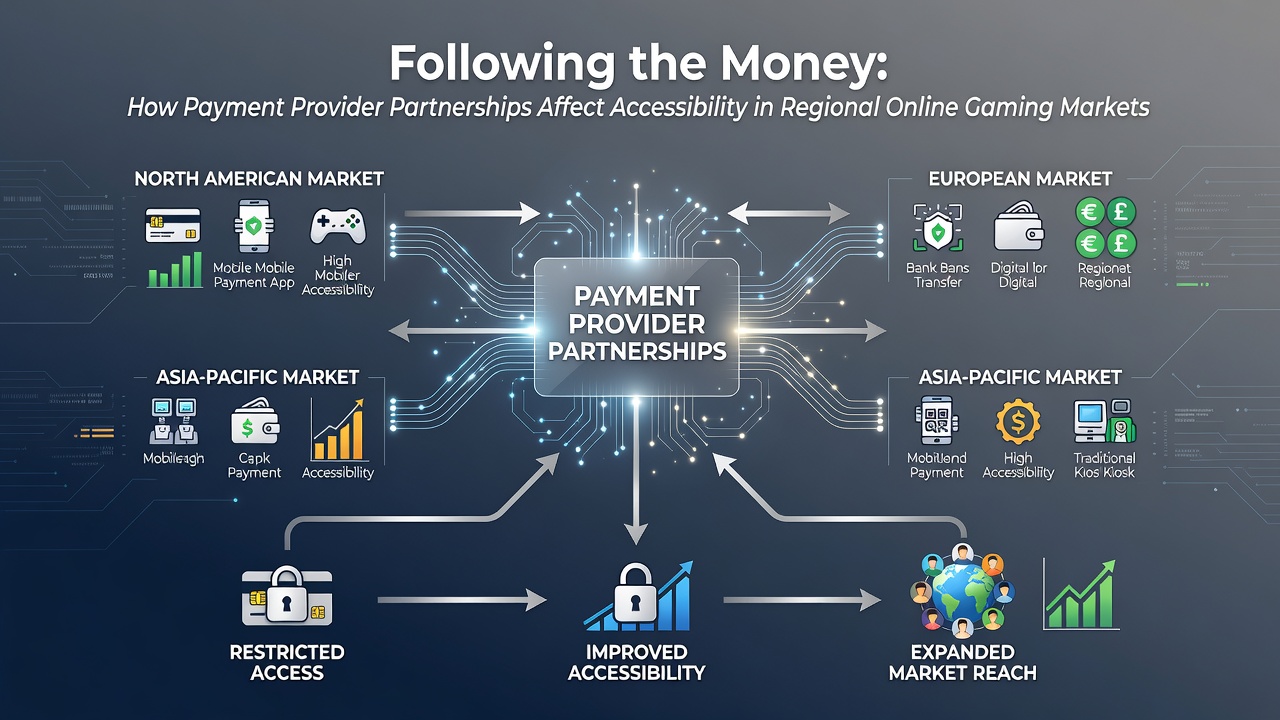
Payment provider partnerships shape how players in different regions access online gaming platforms, with partnerships between operators and financial institutions determining deposit speeds, withdrawal options, and overall market reach. Data from regulatory filings shows that regions with streamlined banking integrations see higher participation rates, whereas areas with restrictive policies experience slower adoption curves. Observers note that these collaborations often hinge on local compliance requirements, which can either open doors or create barriers depending on the jurisdiction.
Regional Variations in Payment Integration
States like New Jersey and Pennsylvania demonstrate how partnerships with major card networks and digital wallets expand user bases, since operators that align with established providers such as Visa and Mastercard report increased transaction volumes during peak periods. In contrast, markets in parts of the Midwest face limitations when local banks hesitate to partner due to regulatory uncertainty, which leads to reliance on alternative methods like prepaid cards or cryptocurrency gateways. Figures from industry reports indicate that seamless integrations reduce failed transaction rates by up to 30 percent, allowing platforms to serve broader demographics including those in rural areas with limited traditional banking access.
European markets reveal similar patterns, where partnerships with localized payment processors in countries like Malta and Sweden facilitate cross-border play while adhering to strict anti-money laundering standards. Those who've examined transaction data find that operators collaborating with regional fintech firms achieve faster onboarding for new users, particularly in nations where e-wallets dominate consumer habits. Yet markets without such alliances encounter delays that discourage casual participants and push activity toward unregulated channels.
Impact on User Accessibility and Market Growth
Accessibility improves when payment providers offer multi-currency support and instant verification tools, because these features address language and time zone challenges in international markets. Research indicates that in Asia-Pacific regions, alliances between gaming platforms and local mobile payment giants enable participation from users who lack credit cards, thereby expanding reach into emerging economies. One study revealed that session durations increase notably when deposit processes complete in under two minutes, a direct result of optimized partnerships that prioritize low-latency processing.
Take the case where experts tracked activity in Canadian provinces after Ontario introduced regulated iGaming frameworks; platforms partnering with domestic banks recorded higher retention among first-time depositors compared to those relying solely on international processors. Data shows these differences stem from trust factors, since local integrations reduce perceived risks around fund security and regulatory oversight. Meanwhile, in Latin American markets, collaborations with emerging digital payment services help bypass legacy banking restrictions that previously limited online gaming to urban centers with robust infrastructure.
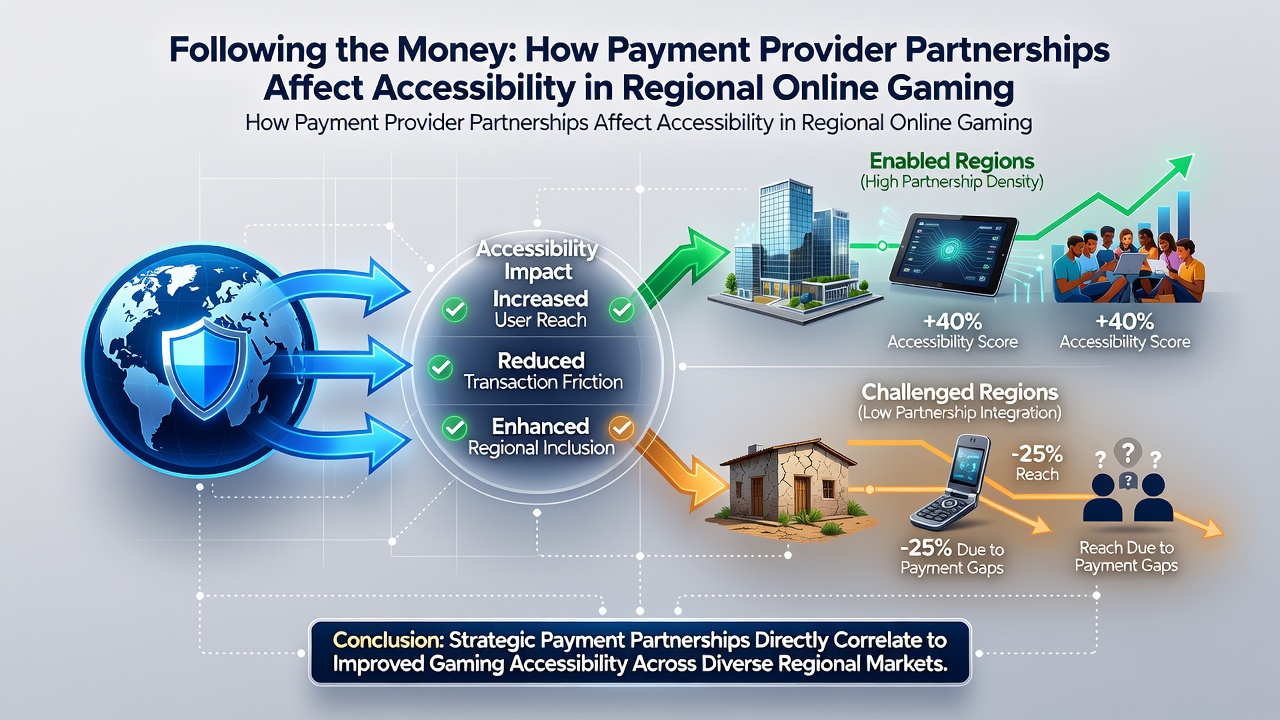
By July 2026, several U.S. states had updated their gaming statutes to encourage such partnerships, resulting in measurable upticks in accessible platforms for players previously excluded by high minimum deposit thresholds. Observers tracking these shifts highlight how fee structures negotiated through provider deals influence whether low-stakes users remain engaged or migrate elsewhere.
Challenges and Regulatory Influences
Regulatory bodies impose conditions that payment providers must meet before entering partnerships, which creates both opportunities and hurdles across regions. The New Jersey Division of Gaming Enforcement has documented cases where approved integrations led to expanded payment options, including instant bank transfers that cater to users avoiding card-based methods. New Jersey Division of Gaming Enforcement reports detail these developments through quarterly transaction summaries that reveal accessibility gains in compliant markets.
Yet in areas with fragmented rules, providers often limit services to avoid compliance costs, leaving operators to navigate workarounds that can frustrate users and slow market maturation. Those studying the field note that partnerships with cryptocurrency exchanges sometimes fill gaps in regions wary of traditional finance, though volatility concerns persist. Evidence suggests that clear regulatory pathways accelerate beneficial alliances, whereas ambiguity discourages investment in localized solutions.
Future Trends in Payment Ecosystems
Emerging technologies like real-time settlement systems promise further changes, since providers that adopt them can offer round-the-clock accessibility regardless of banking hours in specific regions. Industry analyses project continued growth in markets where operators prioritize diverse payment rails, including those tailored for mobile-first users in Southeast Asia and Africa. Partnerships that incorporate biometric verification add another layer of security that appeals to cautious demographics, thereby broadening participation without compromising compliance.
What's significant is how these dynamics play out differently by region, with data indicating stronger accessibility outcomes in places that foster collaborative frameworks between gaming operators, banks, and regulators. External factors such as economic conditions also influence partnership viability, as seen when currency fluctuations prompt providers to adjust fee models in volatile markets.
Conclusion
Payment provider partnerships continue to determine accessibility levels across regional online gaming markets, with outcomes tied directly to regulatory environments, technological adoption, and local banking infrastructures. Evidence from multiple jurisdictions demonstrates that effective collaborations expand user bases and improve transaction efficiency, while gaps in alignment create persistent barriers. As markets evolve through 2026 and beyond, those monitoring payment flows will likely see further refinements that either enhance or constrain participation depending on how partnerships develop in each area.