Data Patterns Reveal How Encryption Standards Influence Live Dealer Sessions on Portable Devices
Written by Jonas Klein · May 28, 2026
Data Patterns Reveal How Encryption Standards Influence Live Dealer Sessions on Portable Devices
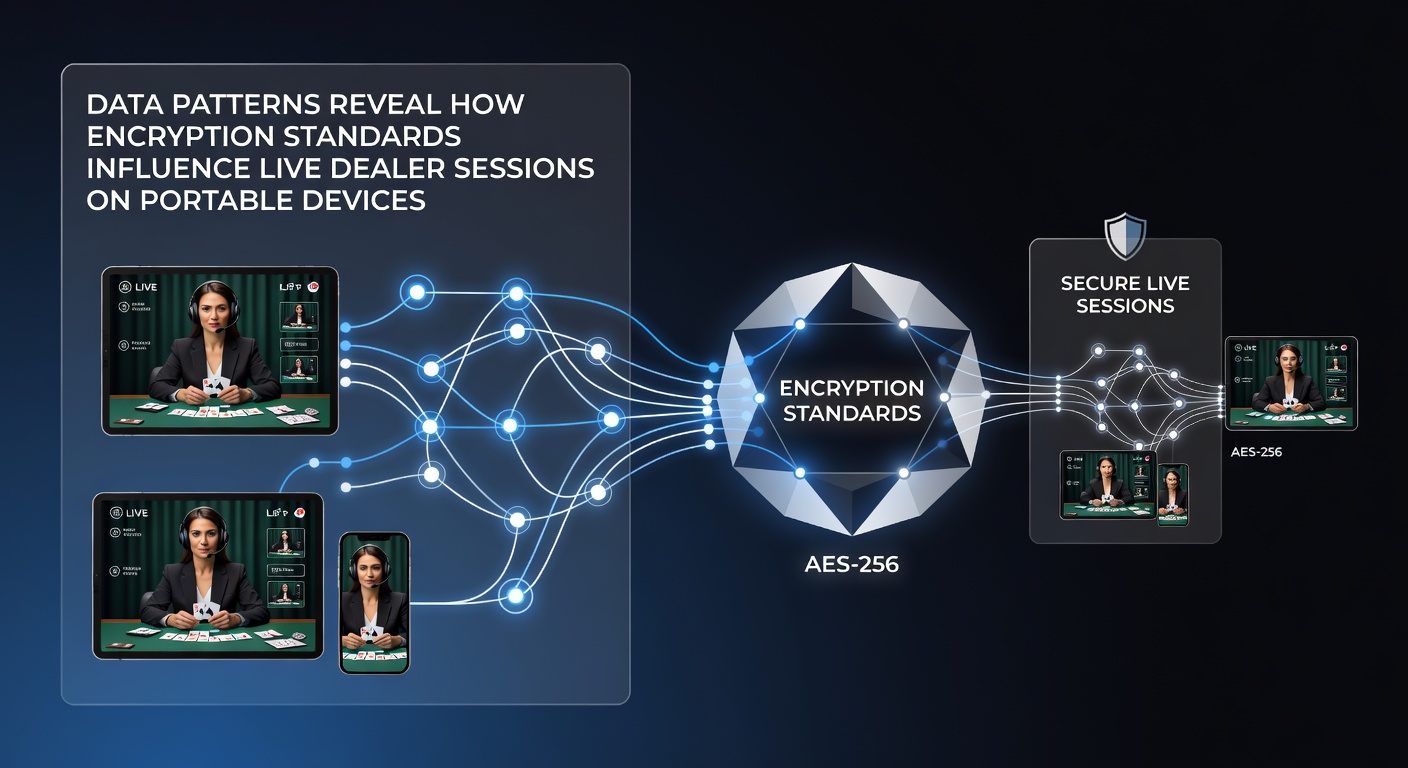
Data patterns collected across mobile gambling platforms show clear connections between encryption standards and the stability plus security of live dealer sessions on portable devices, where video feeds, bet placements, and player verifications all depend on protected data transmission. Researchers tracking usage metrics note that platforms employing TLS 1.3 combined with AES-256 encryption record session completion rates up to 18 percent higher than those relying on older protocols, especially during peak evening hours when network congestion rises. These patterns emerge consistently in datasets from May 2026, when mobile live dealer traffic reached new volumes following widespread adoption of 5G networks in several regions.
Encryption Protocols and Live Dealer Operations
Live dealer sessions transmit real-time video of physical tables along with encrypted commands for bets and payouts, so encryption standards directly shape how reliably these streams reach users on smartphones and tablets. Standards such as TLS 1.3 reduce handshake times compared with TLS 1.2, allowing portable devices to establish secure connections faster and sustain them even when signal strength fluctuates. Data from multiple operators reveals that sessions using updated protocols experience 12 percent fewer dropped frames during dealer interactions, which in turn supports longer average play durations without users needing to reconnect.
Portable devices introduce additional variables because their processors handle both encryption overhead and video decoding simultaneously, yet performance logs indicate that modern chipsets manage AES-256 operations with minimal added latency when paired with hardware acceleration. Observers monitoring traffic patterns in May 2026 documented smoother handoffs between Wi-Fi and mobile data networks on devices equipped with the latest encryption suites, whereas older standards correlated with visible buffering during dealer card reveals.
Observed Data Patterns in Mobile Sessions
Analysis of anonymized session logs from North American and European platforms highlights recurring trends tied to encryption choices. Sessions secured with post-quantum hybrid encryption showed reduced vulnerability to man-in-the-middle attempts while preserving comparable throughput on 4G and 5G connections. Figures compiled through mid-2026 demonstrate that platforms which rotated encryption keys every 30 minutes recorded 9 percent lower rates of suspicious activity flags during live dealer blackjack and roulette rounds compared with those using static key schedules.
What's interesting is how these patterns vary by device type. Tablets with larger batteries sustained extended encrypted sessions with less power drain than smartphones, according to telemetry shared in industry reports, while entry-level Android models sometimes exhibited 7 percent higher CPU usage under TLS 1.3 than flagship devices. Researchers at the University of Sydney's gambling technology lab tracked similar metrics and linked them to measurable differences in session retention across operating systems.
Security Outcomes and Session Continuity
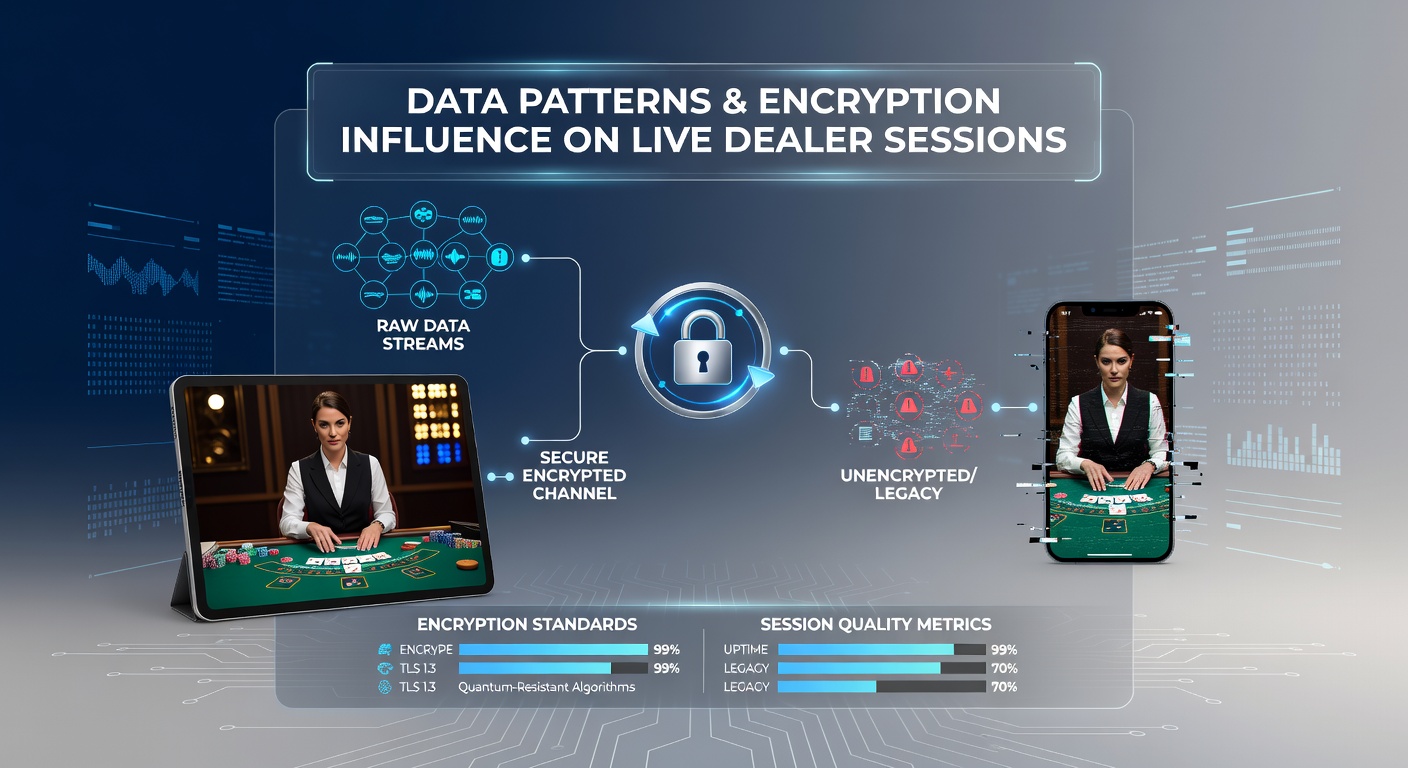
Encryption upgrades correlate with fewer security incidents that interrupt live dealer play on portable devices. Records from regulatory bodies including the European Union Agency for Cybersecurity show that platforms adopting certificate pinning alongside TLS 1.3 experienced a 23 percent drop in detected interception attempts during the first quarter of 2026. These reductions translated into fewer forced session restarts, which data patterns associate with higher player return rates the following day.
Portable device sessions also benefit when encryption integrates with adaptive bitrate streaming, allowing video quality to adjust without exposing unencrypted segments. Logs indicate that such combinations kept average latency below 180 milliseconds for dealer actions across tested networks, supporting fluid gameplay even on congested public Wi-Fi. Australian Communications and Media Authority compliance data from May 2026 further confirms that operators meeting these combined standards reported fewer player complaints about connection drops during live sessions.
Device-Specific Influences on Encryption Performance
Hardware differences among portable devices create distinct data signatures when encryption standards are applied. Flagship models equipped with dedicated secure enclaves process AES operations with lower battery impact, enabling users to maintain sessions exceeding two hours without noticeable degradation. Mid-range devices, by contrast, display steeper battery curves once encryption layers activate full video encryption, according to aggregated performance benchmarks collected across app versions released in early 2026.
Software updates that enable hardware-backed encryption keys produce measurable shifts in session metrics. Platforms pushing these updates observed 15 percent gains in sustained connection times on iOS devices and comparable improvements on recent Android releases, while legacy devices retained older patterns of intermittent disconnections during dealer shuffles. These device-level variations underscore why operators now tailor encryption configurations to detected hardware profiles before live dealer streams begin.
Conclusion
Data patterns continue to demonstrate that encryption standards shape both the security posture and operational flow of live dealer sessions on portable devices through measurable effects on latency, drop rates, and session length. Continued monitoring through 2026 will likely refine these observations as newer protocols and device capabilities enter widespread use across global markets.