Coalition Urges Lawmakers to Restrict Sports and Gaming Contracts in Prediction Markets
Written by Logan Müller · Jun 18, 2026

Coalition Urges Lawmakers to Restrict Sports and Gaming Contracts in Prediction Markets
A broad alliance that includes gaming operators, tribal nations, labor organizations and additional stakeholders has delivered a letter to U.S. senators requesting specific amendments to pending cryptocurrency legislation, and the request centers on language that would bar event contracts linked to sports outcomes or casino-style gaming from operating on prediction market platforms. The move arrives during a period of heightened regulatory attention toward companies such as Polymarket and Kalshi, which have drawn attention from traditional gambling interests who see these platforms as direct competitors in the event-based wagering space.
Those who drafted the letter argue that existing crypto measures lack clear boundaries around contracts that mirror traditional sports betting or casino games, and they point to recent state-level enforcement actions as evidence that clarification is needed at the federal level. The coalition's timing aligns with mid-2026 discussions in Congress about digital asset frameworks, where lawmakers have been weighing provisions that could shape how prediction markets evolve alongside broader cryptocurrency rules.
Details of the Coalition Request
The letter outlines a straightforward ask: insert explicit prohibitions that prevent prediction platforms from offering contracts tied to athletic events or games of chance typically found in casinos. Coalition members note that without such language, platforms could expand offerings in ways that overlap with state-regulated gambling activities, and they reference ongoing scrutiny from attorneys general and gaming commissions in multiple jurisdictions. This approach seeks to embed restrictions directly into the crypto bill rather than relying on separate regulatory pathways.
Observers familiar with the process indicate that the coalition represents a cross-section of interests that have historically competed in regulated gambling markets, and the joint letter marks an attempt to coordinate messaging ahead of potential committee markups. The document stops short of opposing all prediction market activity but focuses narrowly on sports and casino-style contracts that could draw participants away from established operators.
Context Around Polymarket and Kalshi
Platforms like Polymarket and Kalshi have expanded their user bases by allowing participants to trade on outcomes ranging from elections to entertainment events, yet state regulators have begun examining whether certain contracts cross into unlicensed gambling territory. Several states have issued warnings or taken enforcement steps against these services, and industry stakeholders view the federal push as an extension of those efforts. The coalition's letter arrives while federal agencies continue to review how prediction markets fit within existing commodity and securities frameworks.
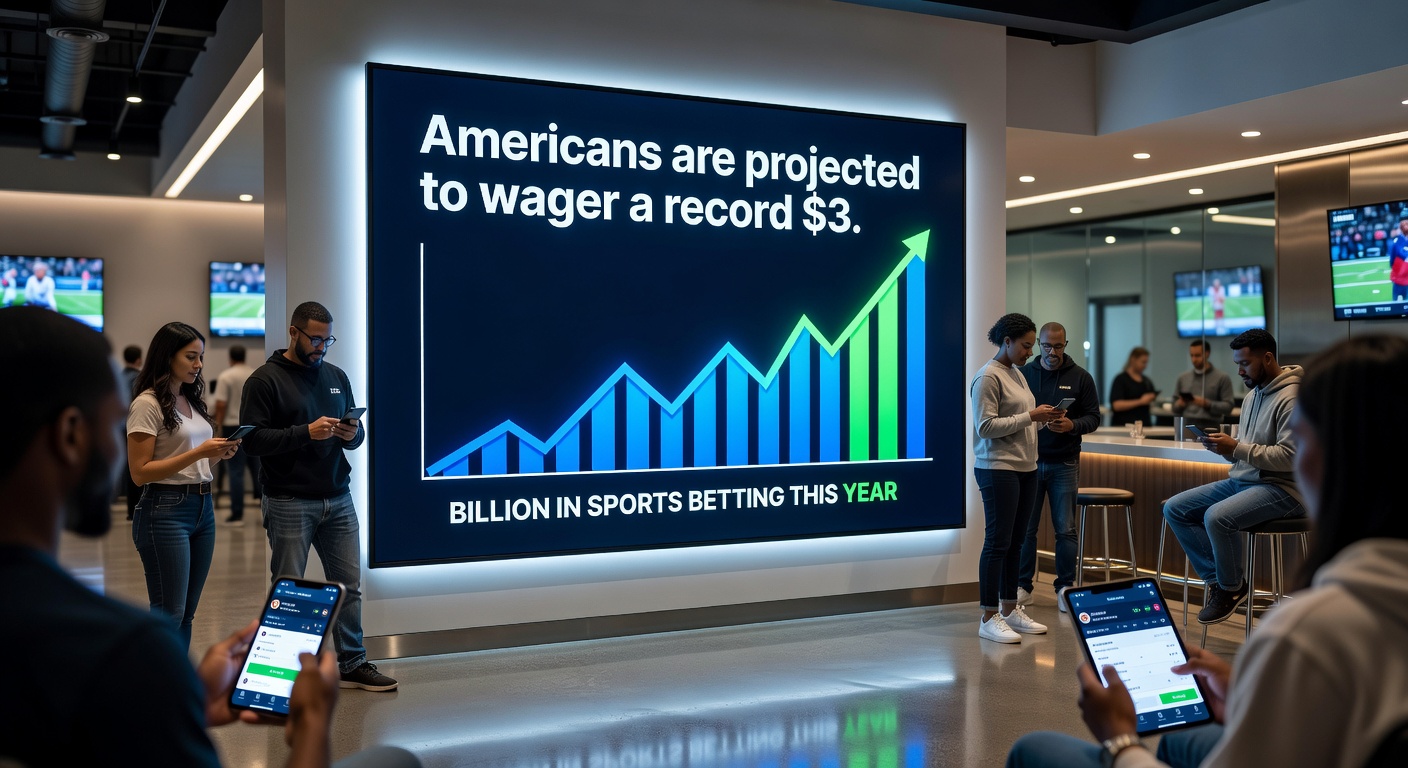
Data from market activity reports show increased trading volumes on these platforms during major events, which has prompted traditional gaming groups to highlight competitive imbalances created by differing regulatory treatments. The coalition letter connects these trends to the need for uniform rules that apply regardless of whether a platform operates under crypto or gaming statutes.
Regulatory Landscape in Mid-2026
By June 2026, the debate over prediction markets has intersected with cryptocurrency legislation in ways that reflect broader questions about federal versus state authority. Lawmakers have received input from multiple sectors, and the coalition letter adds to a growing record of comments that address how event contracts should be classified. Those who have reviewed similar correspondence note that the request emphasizes protection of state gaming compacts and labor agreements that depend on regulated gambling revenue streams.
The development follows a pattern seen in prior sessions where industry groups sought legislative language to limit platform expansion into areas already overseen by state gaming authorities. The letter does not propose new agencies or funding mechanisms but instead targets specific contract types within the crypto bill's provisions, and it urges senators to consider how such contracts interact with existing prohibitions on interstate sports wagering outside authorized channels.
Potential Implications for Legislation
If the requested language is adopted, prediction platforms would face clearer limits on the types of event contracts they can list, and this could influence product development strategies for companies operating in the space. The coalition has framed the request as a matter of competitive fairness, noting that traditional operators must comply with licensing, taxation and consumer protection requirements that prediction markets may not currently share. Lawmakers will now weigh these arguments against the broader goal of establishing consistent rules for digital asset markets.
Additional stakeholders outside the coalition have submitted their own views on the crypto bill, and the range of perspectives illustrates the complexity of aligning cryptocurrency policy with long-standing gambling regulations. The letter itself remains one element in ongoing Senate deliberations expected to continue through the summer months.
Conclusion
The coalition's letter represents a coordinated effort by gaming, tribal and labor groups to shape federal policy on prediction market contracts, and its focus on sports and casino-style events ties directly into existing state-level actions against platforms such as Polymarket and Kalshi. As the crypto bill moves forward, the requested amendments stand as one factor that could determine the scope of permissible event contracts in the U.S. market. Further developments will depend on how senators incorporate or modify the coalition's proposals during the legislative process.