Biometric Verification Layers Reshaping Access Patterns Across Seasonal Poker Tournaments in Multi-State Networks
Written by David Lorenz · Jul 13, 2026
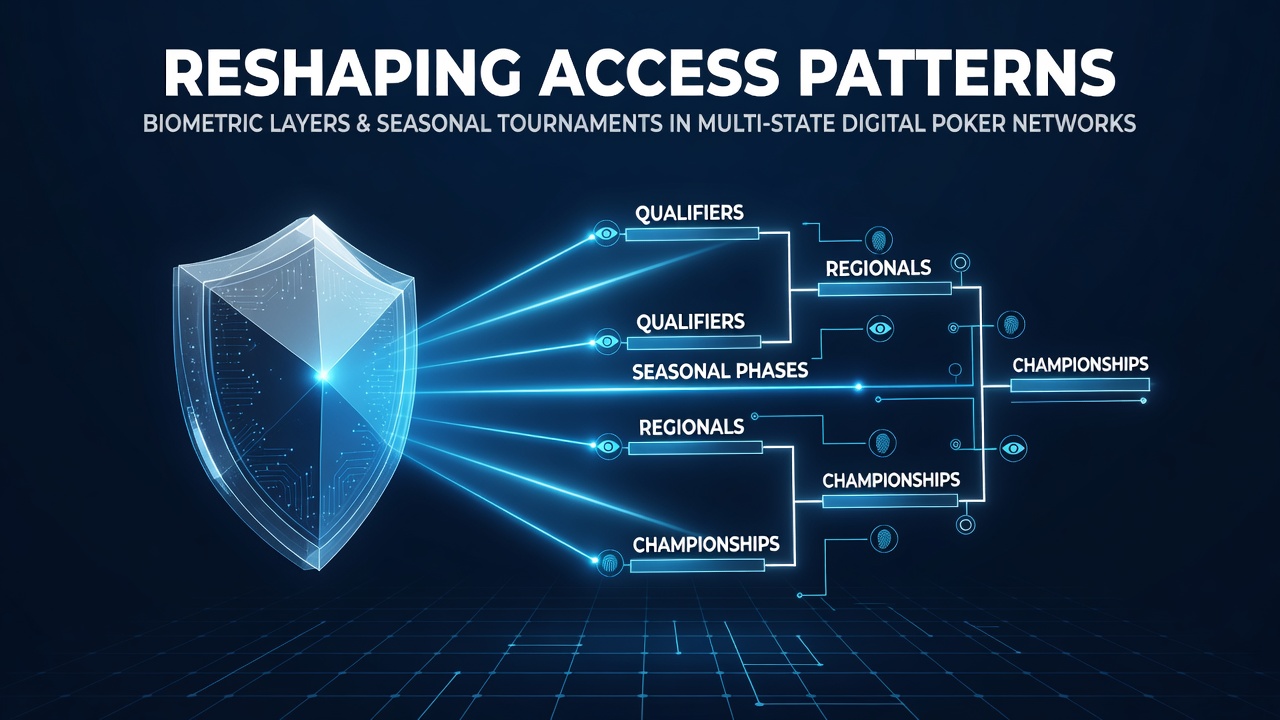
Biometric Verification Layers Reshaping Access Patterns Across Seasonal Poker Tournaments in Multi-State Networks
Biometric verification layers have become integral components within multi-state digital poker networks, particularly as seasonal tournament structures expand and contract throughout the calendar year. These systems combine facial recognition, fingerprint scanning, and voice authentication with player account management, and they intersect directly with peak tournament periods that draw increased participation from multiple jurisdictions. Data from state regulatory filings shows that platforms operating across New Jersey, Pennsylvania, Michigan, and Delaware have integrated these layers to manage access during high-volume events, such as summer series and fall championships that align with major sporting calendars.
Seasonal fluctuations create distinct access patterns because tournament schedules concentrate activity into specific months, and biometric requirements adjust accordingly. In July 2026, for instance, several networks reported elevated verification volumes coinciding with mid-summer tournament clusters that span three or more states through shared liquidity agreements. Researchers at institutions tracking digital gambling have noted that these periods trigger more frequent identity checks, which in turn influence how players enter and exit sessions across state lines.
Integration of Biometric Systems with Tournament Calendars
Multi-state poker networks rely on centralized player databases that sync biometric profiles with state-specific licensing rules, and this setup allows operators to enforce seasonal access controls without disrupting cross-border play. During tournament ramps, such as those leading into major series, the systems require initial biometric enrollment followed by periodic re-verification at login points. Figures from the Pennsylvania Gaming Control Board indicate that verification success rates remain above 95 percent during these peaks, while failed attempts often correlate with device changes or travel between states that host different regulatory frameworks.
Observers note that biometric layers help platforms segment access by player tier and tournament eligibility, which reshapes daily and weekly patterns. Casual players encounter lighter re-authentication prompts outside peak seasons, whereas serious competitors face stricter checks during qualifying events that feed into larger brackets. This differentiation stems from agreements among state regulators that permit shared player pools yet maintain individual oversight of identity confirmation processes.
Effects on Player Access and Network Flow
Access patterns shift noticeably when biometric requirements align with seasonal tournament demands, because players in one state may experience different verification cadences than those in another even though they compete in the same events. Studies from academic research groups examining digital gambling behavior show that these variations lead to changes in session timing and duration, with many participants completing verification during off-peak hours to avoid delays once tournaments begin. Networks have responded by deploying adaptive algorithms that predict high-demand windows and pre-load verification queues accordingly.
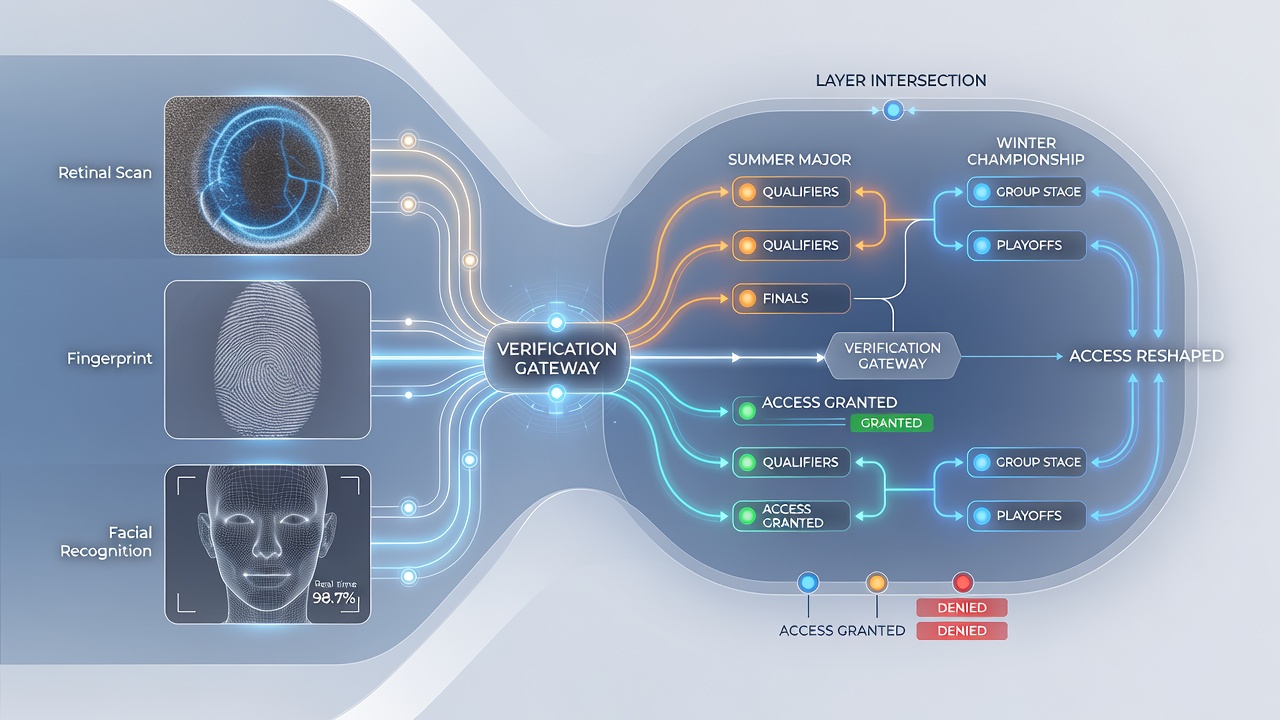
Take one network operating across four states that adjusted its biometric protocols ahead of the 2026 summer tournament cycle. Data patterns revealed that verification completion times dropped by nearly 30 percent after the introduction of mobile facial recognition tied to tournament registration deadlines, and this adjustment redistributed player logins away from traditional evening peaks toward earlier afternoon windows in certain jurisdictions. Such modifications demonstrate how the intersection of technology and scheduling produces measurable effects on network traffic.
Regulatory Coordination Across Jurisdictions
State gaming commissions coordinate on biometric standards to ensure consistent application within shared poker networks, and this coordination becomes especially relevant during seasonal tournaments that draw participants from multiple regions. Reports compiled by the National Council on Problem Gambling highlight that verification layers also support responsible gaming measures by flagging unusual access attempts that may occur when players cross state boundaries mid-tournament. Regulatory updates released in early 2026 emphasized continued alignment of biometric data handling practices among participating states, which helps maintain uniform access rules even as tournament structures evolve.
Those who've studied these systems observe that biometric integration reduces reliance on manual identity checks during high-volume periods, yet it introduces new variables around device compatibility and regional data privacy statutes. Networks continue to refine these layers through iterative testing tied to specific tournament calendars, producing access patterns that reflect both technological capabilities and seasonal demand cycles.
Conclusion
Biometric verification layers continue to intersect with seasonal tournament structures in ways that reshape how players access multi-state digital poker networks. The combination of identity confirmation protocols and calendar-driven events produces distinct traffic flows, verification timings, and eligibility pathways that vary by jurisdiction and tournament phase. As networks expand shared liquidity arrangements, these intersections remain central to maintaining secure and coordinated access across state lines.