Algorithmic Systems Aligning User Preferences With Reward Mechanisms Across Mobile Wagering Platforms
Written by Rosa Carter · Aug 8, 2026
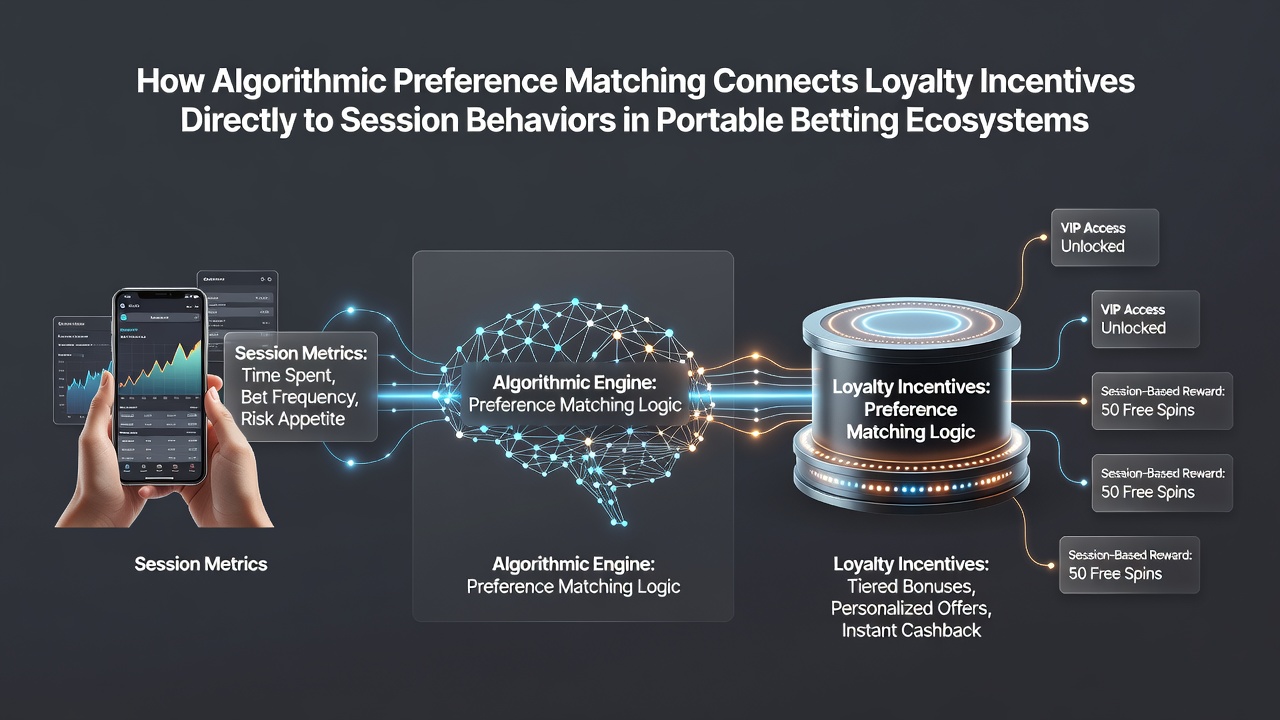
Algorithmic Systems Aligning User Preferences With Reward Mechanisms Across Mobile Wagering Platforms
Algorithmic preference matching operates by analyzing patterns in user activity within portable betting ecosystems, then routing tailored incentives that encourage specific session behaviors such as extended play periods or repeated logins. Data from multiple platforms indicates these systems track variables including bet types, time of day, device type, and historical response to promotions before generating matches that link loyalty points or bonuses directly to observed actions.
Core Mechanisms Behind Preference Matching
Developers build these algorithms on machine learning models that process real-time inputs from session logs, payment histories, and engagement metrics. Researchers at institutions including the University of Nevada, Las Vegas have documented how such models identify clusters of similar users and predict which incentives will most effectively modify behavior in the next session. The process runs continuously so that adjustments occur within minutes of a user completing a wager or claiming a reward.
Portable ecosystems add layers of complexity because location data, network speed, and app version influence how quickly an algorithm can deliver a matched offer. When a user opens an app during a commute, for instance, the system may prioritize short-duration incentives that reward quick deposits rather than long-form loyalty multipliers designed for evening sessions.
Direct Links Between Incentives and Session Behaviors
Once a preference match occurs, the resulting incentive appears as a targeted notification or in-app prompt that ties the reward to measurable session metrics. A user who frequently places accumulator bets might receive a loyalty bonus that activates only after completing a set number of selections within a single login. Figures released by the American Gaming Association in mid-2026 show that platforms employing these matched systems recorded average session lengths 18 percent longer than those using generic promotions.
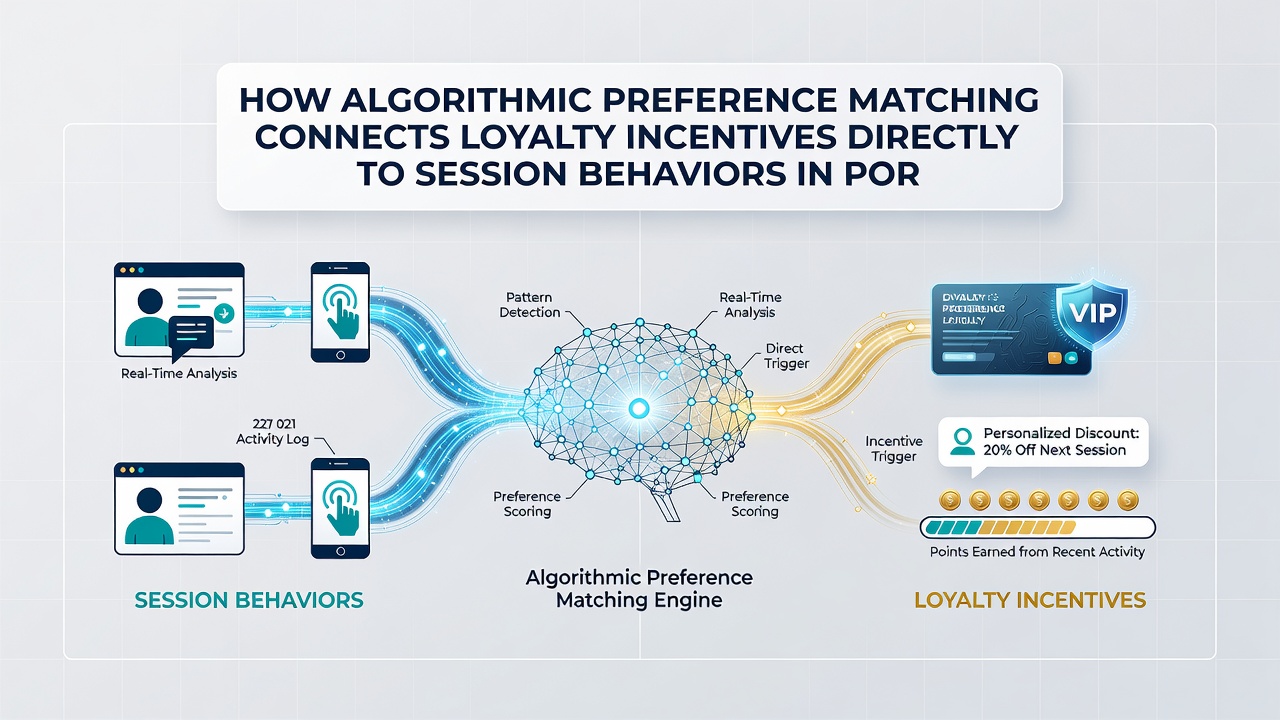
Session frequency also shifts when algorithms detect patterns such as weekend-only activity and respond with weekday-specific loyalty multipliers. Observers note that these interventions produce measurable changes in return rates without requiring users to alter their core betting habits. The connection remains direct because the reward triggers only when the algorithm-confirmed behavior repeats within a defined window.
Implementation Across Portable Platforms in August 2026
By August 2026 several major operators had integrated preference-matching engines into their core mobile applications, allowing simultaneous handling of sports wagers, casino games, and live dealer sessions. Reports from the Canadian Gaming Association indicate that operators in regulated provinces observed a 22 percent increase in cross-product engagement after deploying these systems. The technology processes signals from both iOS and Android environments while maintaining compliance with jurisdiction-specific responsible gambling settings.
Latency remains a key factor; developers optimize models to return matches in under 800 milliseconds so users experience seamless transitions between viewing a prompt and acting on it. When network conditions degrade, fallback rules activate that deliver pre-cached offers based on the most recent preference profile rather than forcing a full recalculation.
Regulatory and Data Considerations
Regulators in multiple jurisdictions require operators to log every algorithmic decision that results in an incentive delivery. These logs allow oversight bodies to verify that matches do not target vulnerable user segments disproportionately. Data from the New Jersey Division of Gaming Enforcement shows audit requests for algorithmic transparency rose 31 percent between 2025 and 2026 as more platforms adopted the technology.
Privacy frameworks demand that preference data remain anonymized before feeding into matching models. Companies achieve this through tokenization techniques that strip personally identifiable information while preserving behavioral signals necessary for accurate predictions.
Conclusion
Algorithmic preference matching continues to refine the relationship between loyalty incentives and session behaviors in portable betting ecosystems through continuous analysis and rapid delivery of targeted offers. The systems rely on established machine learning techniques, jurisdiction-specific compliance measures, and performance optimizations that keep interactions responsive on mobile devices. As adoption expands, the documented connections between matched rewards and measurable user actions provide operators and regulators with clearer visibility into how incentives influence platform activity.